
Untreated fabric catches fire fast. A cotton shirt near a spark can go up in seconds, which is exactly why flame retardant fabric exists in the first place. Making material flame retardant means either choosing fibers with built-in fire resistance, like wool or Nomex, or applying flame-retardant chemicals through a controlled finishing process that bonds them to the fabric. Both routes work, but they aren’t interchangeable, and picking the wrong one can leave workers underprotected.
We’ve spent years watching fabric mills turn raw cotton and synthetic blends into fire-safe textiles for workwear. The chemistry is precise, the testing is strict, and there’s no shortcut that holds up under real heat. If your business needs flame-retardant fabric that actually meets safety standards, Levitex manufactures and wholesales FR fabric with custom dyeing options, backed by decades of production experience since 1951.
Getting this right matters because fire safety isn’t forgiving. A fabric that looks treated but wasn’t processed correctly can fail exactly when it’s needed most.
How Flame Retardancy Is Built Into Textile Materials
Flame retardancy comes from two different paths: the fiber itself resists fire naturally, or a chemical treatment is added to change how the fabric burns. Cotton, wool, polyester, rayon, and modacrylic all behave differently under heat, and materials like Nomex are engineered at the polymer level to resist extreme heat without any added chemicals.
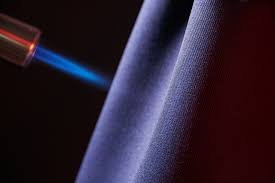
What Is the Difference Between Flame-Resistant and Treated Fabric?
Flame-resistant fabric is fire-resistant because of its fiber structure, not because of a coating. Treated fabric starts as an ordinary material, like cotton, and gets flame-retardant chemicals applied afterward.
Both can pass the same fire safety standards. The difference shows up over time: inherent fire resistance doesn’t wash out, while some treatments can fade with repeated laundering. Our guide on flame resistant vs flame retardant fabric breaks down how these terms get used correctly.
Which Fibers Offer Inherent Fire Resistance?
Wool and Nomex offer the strongest natural fire resistance among common textile fibers. Wool has a high ignition temperature and tends to self-extinguish once the heat source is removed.
Nomex and modacrylic are built at the polymer level to resist melting and dripping under extreme heat, which makes them common choices for protective workwear. Polyester and rayon, by contrast, are flammable on their own and usually need chemical treatment to meet fire safety standards. Cotton falls in the same category. Our post on does 100 cotton fabric can be flame retardant covers how cotton specifically gets treated for FR use.
How Do Flame-Retardant Chemicals Slow Combustion?
Flame-retardant chemicals work by interrupting the chemical reactions that let fire spread. Some release water vapor when heated, cooling the fabric surface. Others form a protective char layer that blocks oxygen from reaching the fibers underneath.
Phosphorus-based compounds are widely used because they promote char formation on cellulose fibers like cotton, according to research on flame retardant challenges for textiles. This char layer acts like a shield, slowing the fire’s ability to consume the material.
Nitrogen-based and mineral-based retardants work through similar cooling or dilution effects, often combined with phosphorus compounds for stronger results.
When Is a Surface Coating the Right Option?
A surface coating makes sense when a fabric needs added protection without changing its core structure or feel. Nanocoatings and layer-by-layer finishes have gained attention because they can add flame resistance while keeping fabric flexible and breathable, based on a review of nanobased flame-retardant coatings for textiles.
Coatings work well for upholstery, drapery, and finished garments where the manufacturer wants to preserve the fabric’s original hand-feel. They’re less durable under heavy washing than treatments bonded deeper into the fiber, so the intended use matters when choosing this route.
From Treatment to Durable, Compliant Fabric Performance
Turning a chemical treatment into fabric that actually protects workers takes a controlled industrial process, not a spray bottle. The steps below cover how mills apply flame retardants at scale, why fire safety standards and REACH compliance shape every batch, and what determines whether the finish survives dozens of washes.
How Does the Pad-Dry-Cure Process Work?
Pad-dry-cure is the standard industrial method for applying flame-retardant chemicals to fabric. The fabric passes through a bath of flame-retardant chemicals, gets squeezed between rollers to remove excess liquid, then moves through a drying chamber and a high-temperature curing oven.
Curing is the step that locks the chemicals onto the fiber structure. Skipping or rushing this stage leaves the treatment loose, meaning it washes out faster and offers weaker protection over time.
Mills running this process at scale can treat large volumes consistently, which is part of why commercial FR fabric performs more predictably than small-batch treatments.
Why DIY Chemical Treatments Are Not Suitable for Protective Workwear
Homemade flame retardant mixtures, like borax, boric acid, or alum solutions, can reduce flammability on craft projects or costumes. They are not suitable for protective workwear.
These mixtures lack the durability, even coverage, and testing that industrial treatments go through. A borax-and-boric-acid solution might survive one wash before losing effectiveness, and there’s no way to verify how it performs against an open flame without lab testing.
Workwear meant to protect someone on a job site needs fabric verified against real fire safety standards, not a kitchen-sink chemical mix. If you want to understand how professional fabric gets verified, our article on how to test flame retardant properties in fabrics explains the testing methods mills rely on.
How Are Fire Safety Standards and REACH Requirements Evaluated?
Fire safety standards set the minimum performance a fabric must hit before it can be sold as flame retardant, and REACH regulates which chemicals are allowed in that process. Testing labs expose treated fabric to controlled flame sources and measure how quickly it self-extinguishes, how far char spreads, and whether it drips or melts.
REACH compliance in particular restricts certain flame-retardant chemicals, including some older phosphorus and halogen-based compounds, pushing manufacturers toward safer chemistries. This is one reason ammonium phosphate-based treatments have become common substitutes for older formulations flagged under REACH review.
Buyers sourcing FR fabric for workwear or upholstery should ask suppliers which standards a fabric has been tested against before ordering in bulk.
How Should Fabric Be Chosen for Workwear and Upholstery?
Fabric choice for workwear and upholstery depends on the fire risk in the environment and how often the fabric will be laundered or cleaned. Workwear exposed to sparks or open flame, like welding gear, needs fabric with proven wash durability and strong char formation.
Upholstery fire safety standards differ from workwear standards, since upholstery fires often start from smoldering cigarettes or electrical faults rather than open flame. That changes which flame-retardant chemicals make sense for the application.
Our comparison of the best flame retardant fabrics walks through how different fiber and treatment combinations suit different jobs. For workwear specifically, choosing the right workwear fabric covers the practical tradeoffs businesses face.
What Affects Wash Durability and Long-Term Protection?
Wash durability depends on how deeply the flame-retardant chemicals bond to the fiber structure during curing. Treatments that only sit on the surface wear off faster than those chemically bonded through crosslinking, a method researchers have used to improve durability in cotton fabrics treated with phosphorus-based agents, as shown in a study on durable flame-retardant cotton fabric.
Washing method matters too. Harsh detergents, high heat, and repeated hard-water washing all speed up how fast a treatment degrades. Our guide on how to launder your flame retardant fabric covers the specific care steps that extend a treatment’s working life, and washing flame retardant fabrics goes deeper into detergent and temperature choices.
Fabric buyers should ask suppliers how many wash cycles a treatment is rated for before committing to a large workwear order.