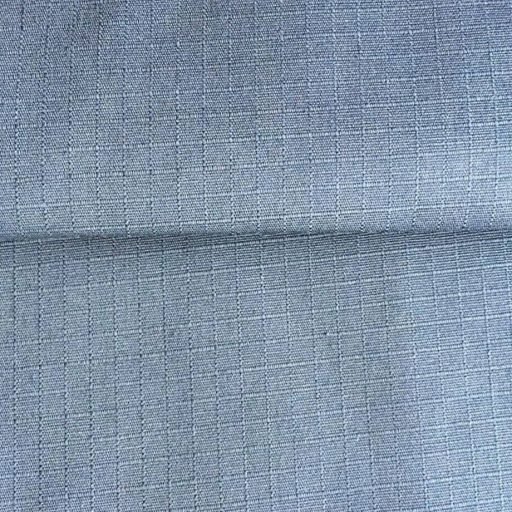
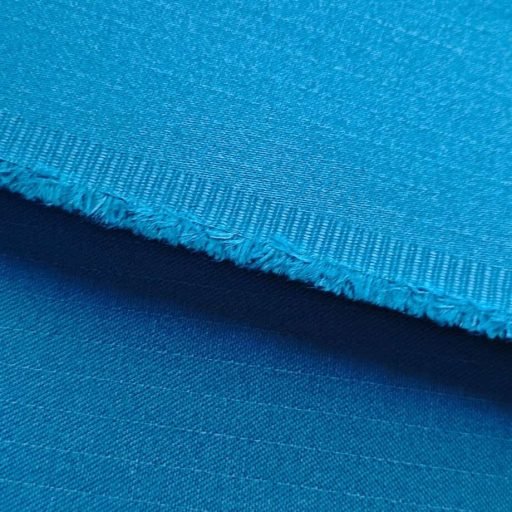
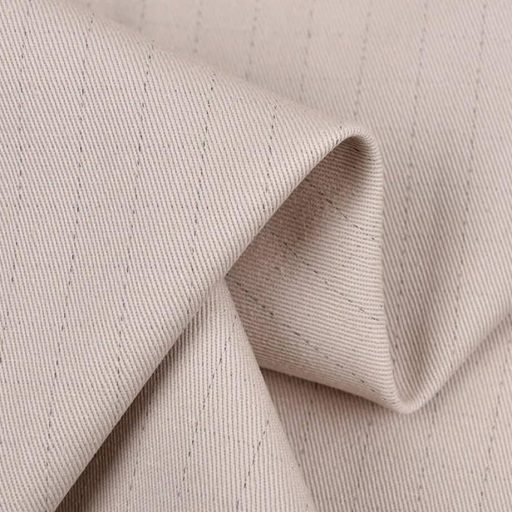
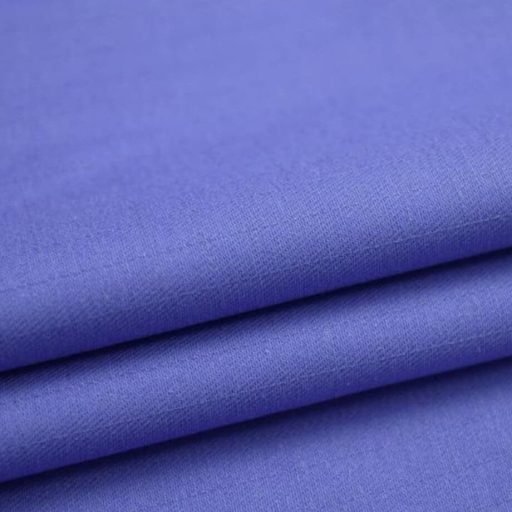
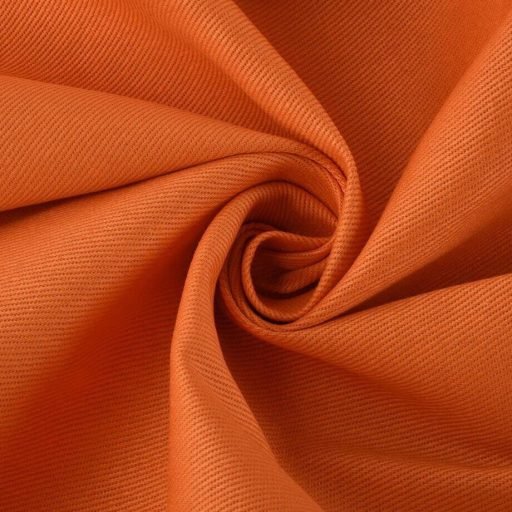
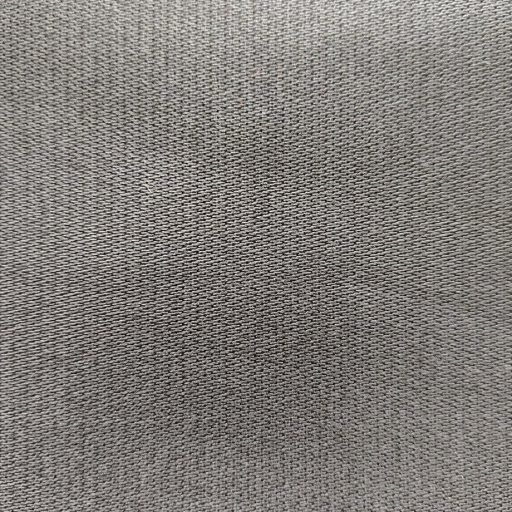
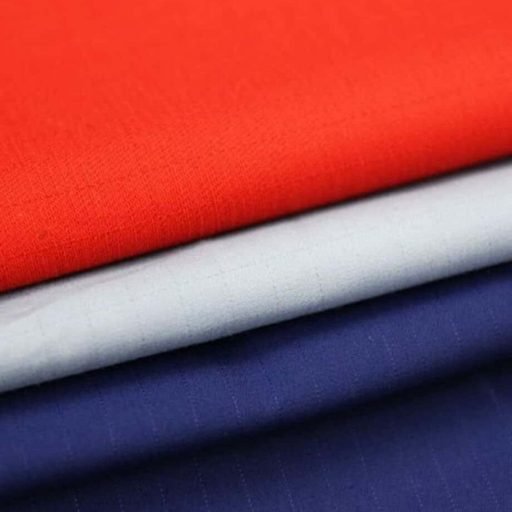
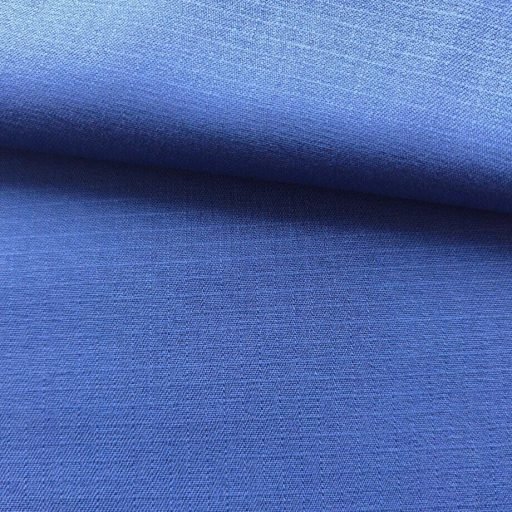
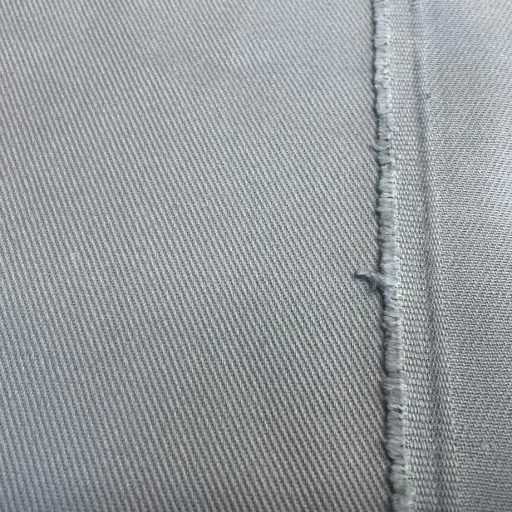
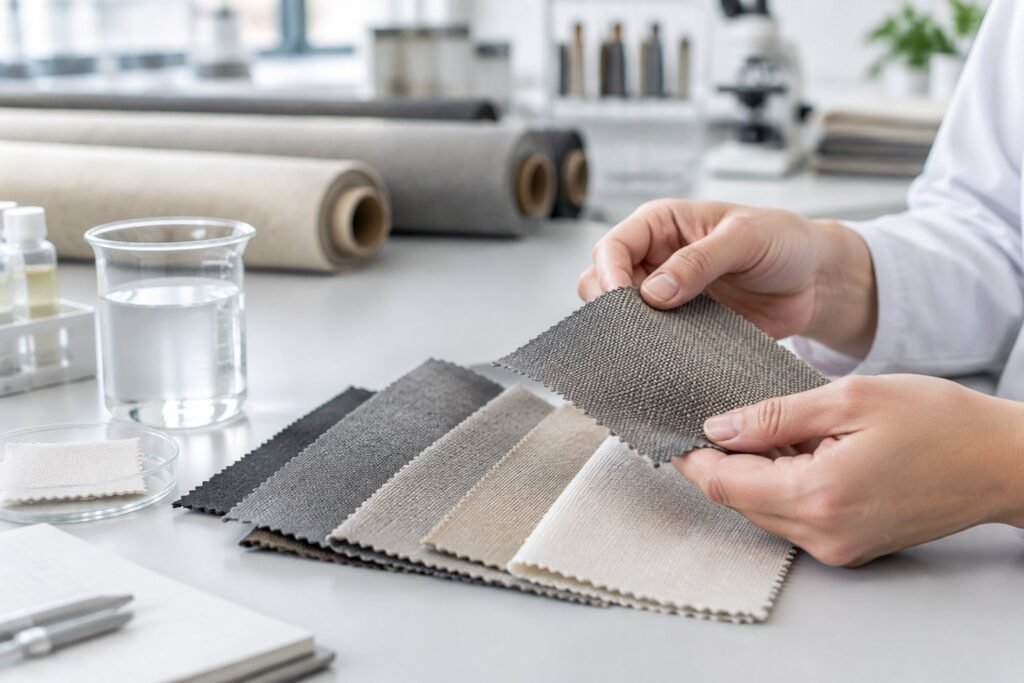
LEVITEX manufactures flame-retardant fabrics for protective workwear, with cotton and blended options, custom dyeing, and functional finishing. Share your garment application, target fabric weight, and required standards so we can discuss suitable specifications, samples, and supporting test documentation.
Base fabric and treatment selection starts with how and where the garment will be worn. Composition, construction, and fabric weight all shape how a treated FR fabric or inherent FR fabric performs on the job, and no single blend ratio decides protective performance on its own.
Treated cotton reaches its flame-resistant fabric behavior through flame retardant chemicals applied during finishing, while inherent FR fabric carries that resistance in the fiber itself. Fabric construction (weave, yarn count, and finishing route) affects how the fabric handles heat, abrasion, and repeated use.
Custom dyeing and functional finishing can be built around the base fabric you select. Review the mechanics of chemical application and curing in our breakdown of flame-retardant fabric treatment before locking in a specification.
Verify the Test and Certification Scope
Ask for test evidence tied to the exact fabric code you intend to buy, not a general product family. A fabric test report confirms how that specific fabric performed in a lab; it does not substitute for finished-garment certification, which applies to the sewn garment as a whole.
State the intended hazard up front, whether that is flash fire, radiant heat, or electric arc exposure. A fabric passing one flame test does not confirm an arc rating, and not every flame-resistant textile on the market qualifies as inherently FR.
Request documentation that matches your fabric code and hazard type before placing an order. Our notes on FR certification requirements outline what to ask a supplier for and why fabric-level and garment-level paperwork serve different purposes.
Check Performance After Laundering
Request the exact wash procedure and cycle count tied to any laundering claim. Flame-resistant fabrics respond differently to home laundering versus industrial wash procedures, and a performance figure quoted for one process does not carry over to the other.
Ask for retained protective performance data at the tested cycle count, plus dimensional change results from the same test run. No wash life figure applies universally across fabric weights, finishes, and compositions, so match the data to your actual garment care process.
Our guide to FR fabric care and laundering walks through how wash procedure and cycle count connect to the numbers a supplier should hand over.
Agree on Bulk-Order Acceptance
Separate visual inspection from protective testing before setting acceptance criteria for a bulk order. A roll can look even and defect-free on a visual pass while still needing lab-based protective testing to confirm it meets the agreed specification.
Set specification tolerances for weight, width, and construction in writing, and ask for lot traceability so any issue can be traced back to a specific production run. These are buyer requirements to negotiate, not standard guarantees a supplier owes by default.
Our overview of FR fabric quality control covers how inspection and testing fit together across a production lot, including where a documented application reference helps confirm the fabric was built for your garment type.
Send Your Fabric Requirements
A complete fabric brief moves specification conversations faster. Before reaching out, gather:
Garment application and expected working environment
Fabric composition preference (cotton or blended)
Target fabric weight
Required standard and test scope, including intended hazard
Laundering process (home or industrial) and expected cycle count
Order quantity and color requirements
Send these details to Charlie@levitex.com to discuss specifications, samples, and available supporting documentation for your protective workwear program.