Source arc-rated fabric for protective workwear with LEVITEX. Share your required arc performance, fabric specifications, and laundering conditions to discuss suitable materials, samples, and applicable test documentation.
Tell us the arc rating your safety program and applicable standards call for, stated in cal/cm², before you look at fabric options. A general flame resistance claim does not confirm an incident energy level, and fr clothing is not automatically arc-rated clothing. For electrical safety work, pair your requirement with arc-rating evidence tied to the exact fabric under review.
Compare Fabric Construction, Not Just Fiber Names
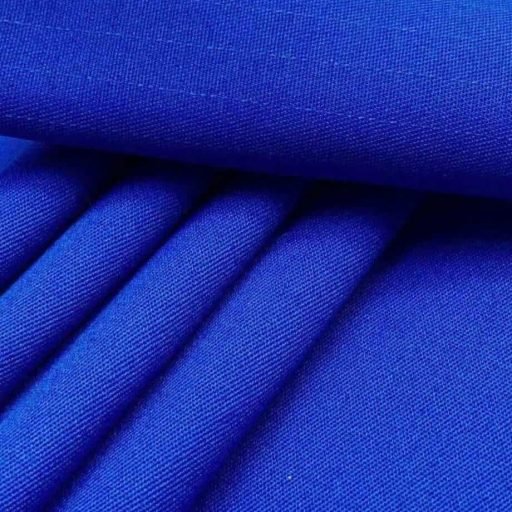
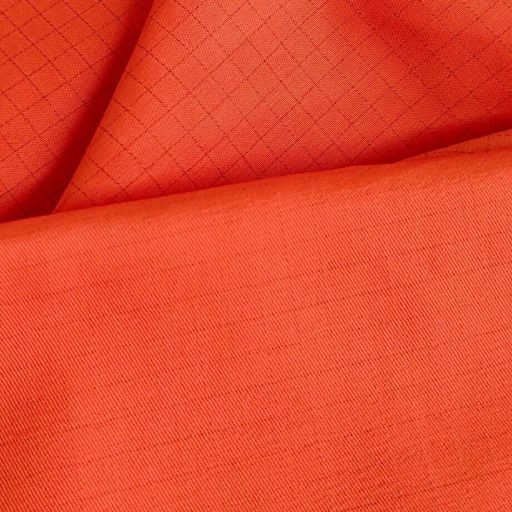
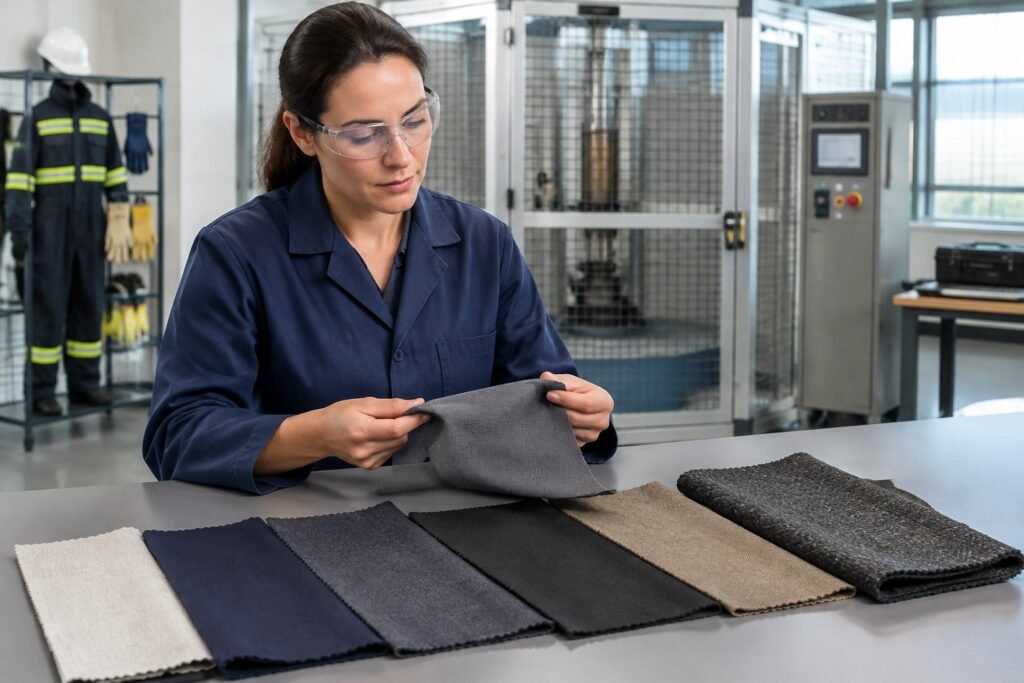
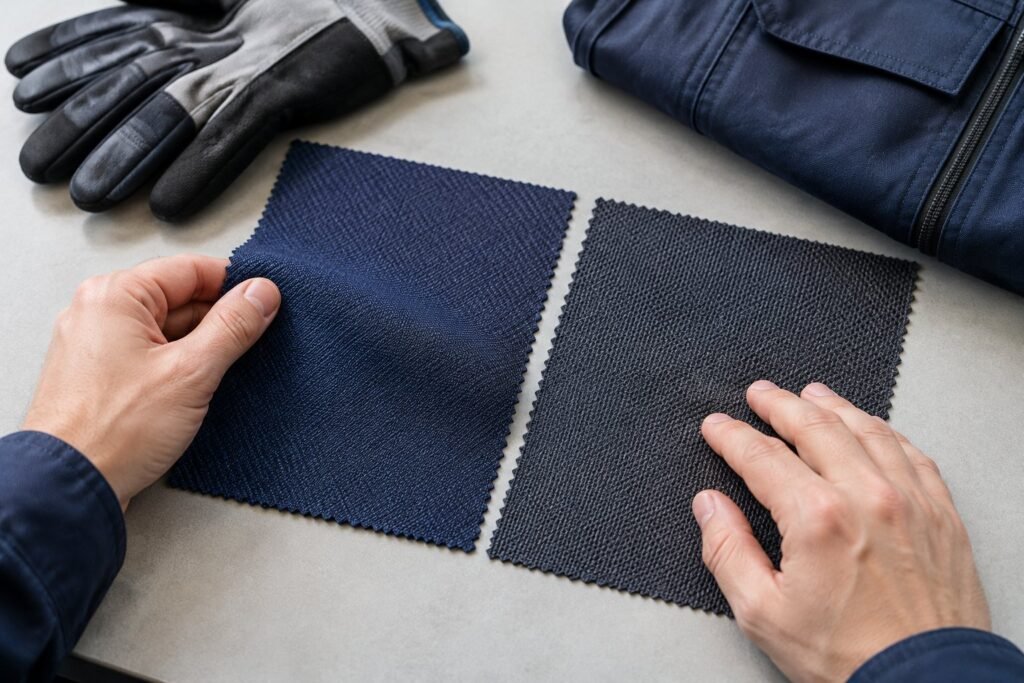
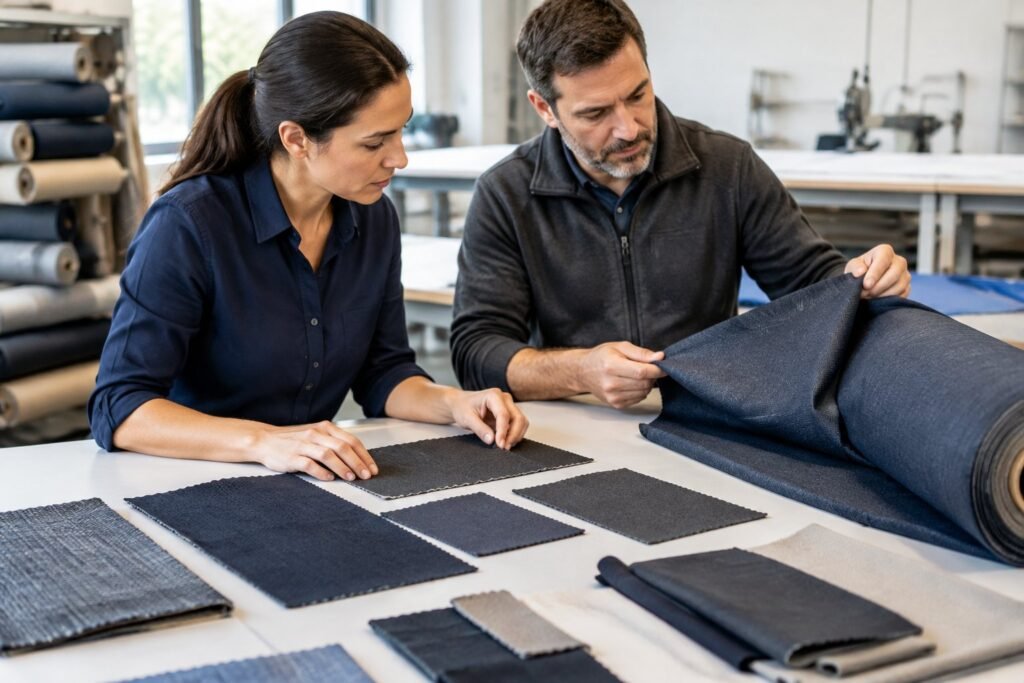
Ask for full composition, weave or knit construction, fabric mass, usable width, and finish details for each candidate. Composition and weight alone do not set thermal performance or mechanical durability. Review physical samples side by side for hand feel and wear resistance, since two fabrics with similar arc-flash clothing materials on paper can behave differently on the body.
Match Test Reports to the Fabric You Sourcing
Request a report you can identify by method, edition, and lab, such as ASTM F1959, along with the specimen details and reported endpoint (ATPV or EBT). A report only matters if it connects clearly to the exact fabric you plan to buy. Fabric-level test data under ASTM F1506 also differs from finished garment compliance, so confirm fabric quality control and traceability linking the swatch to that documentation.
Confirm Laundering and Dimensional Stability
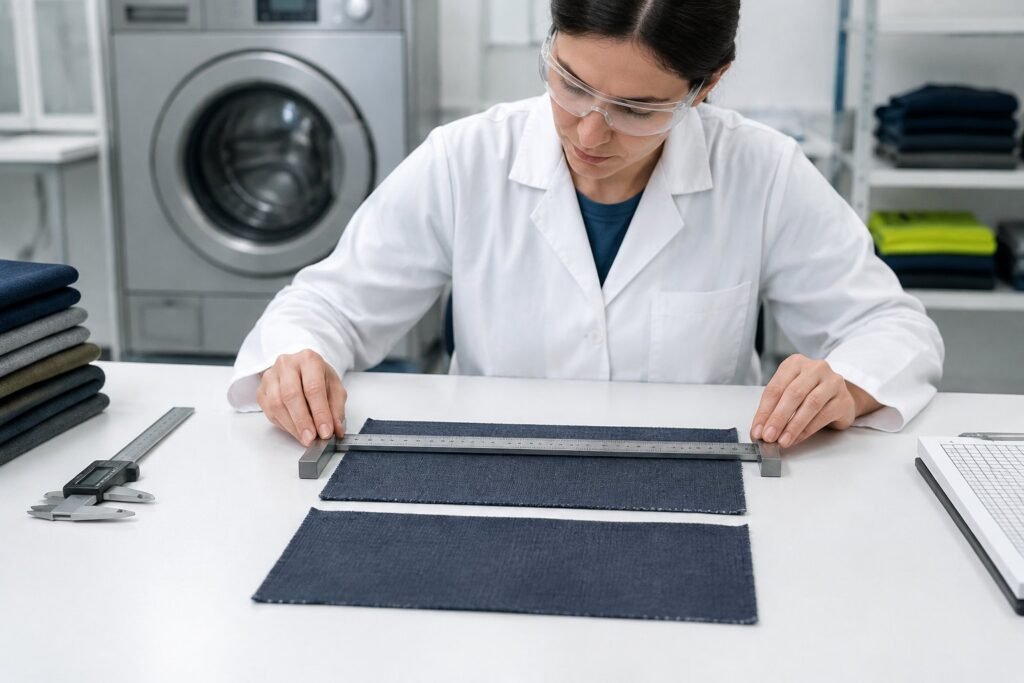
Ask for the approved care route, the laundering conditions it was tested under, and the measured dimensional change after those cycles. Flame resistance and thermal protection claims should include evidence of how performance holds up through the specified wash method, not a general wash-life promise. Review FR workwear laundering requirements against your own laundering program before committing to a fabric.
Approve Samples Before Bulk Production
Lock in a signed sample along with agreed tolerances for weight, width, and shade before bulk cutting starts. Confirm lot identification and set a clear process for approving any material change, so mechanical durability and thermal performance stay consistent between the sample and bulk goods. A documented sample and bulk-order acceptance step protects both sides once production scales.
Send your intended garment application, required arc performance, preferred construction, order quantity, and documentation needs to Charlie@levitex.com, and we will confirm suitable materials and next steps.
What Protection Claims Need Separate Evidence?
Arc-rated fabric addresses arc thermal hazards from arc flash events, not shock protection from energized equipment, and it does not automatically cover flash fire or other thermal hazards. NFPA 70E sets workplace electrical safety requirements and PPE category guidance, but it is a workplace standard, not a fabric certification. NFPA 2112 addresses flash fire protection separately, with its own test method and labeling, so an arc rating alone does not substitute for it.
Does an Arc Rating Establish Shock or Other Hazard Protection?
An arc rating measures how much thermal energy a fabric blocks during an electric arc exposure; it says nothing about insulation against electric shock. Personal protective equipment selected for electrical safety in the workplace typically includes separate items, such as insulating gloves, chosen against their own voltage-rated standards. Treat arc rating and shock protection as two different evidence requirements.
Can Layer Ratings or Box-Test Classes Be Converted?
No single layer rating can be added or assumed from a multilayer garment system without its own tested evidence, and a box-test class under a different method cannot be converted into a cal/cm² arc rating. Each ppe category assignment under NFPA 70E depends on the specific tested arc rating for that exact fabric or layered system. Request the matching report for the specific construction you plan to buy.