At Levitex, we make a 100% Cotton FR (flame-retardant) fabric that’s soft, breathable, and naturally comfortable. When the flame source is removed, it stops burning on its own. That’s why our fabric is ideal for workwear, welding gear, and safety clothing, and it helps prevent burns without feeling stiff or scratchy.
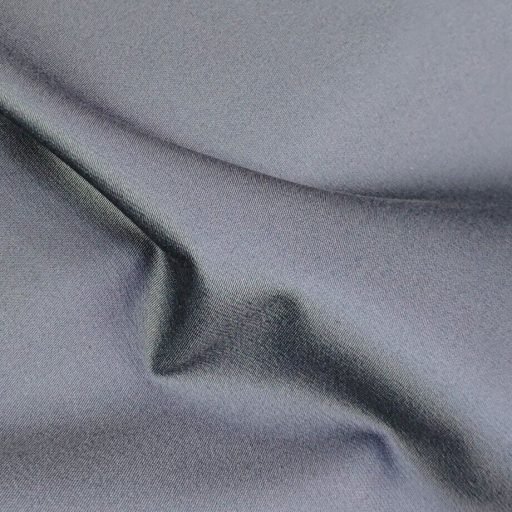
100% Cotton
Weight: 460 GSM
Width: 150cm / 59in
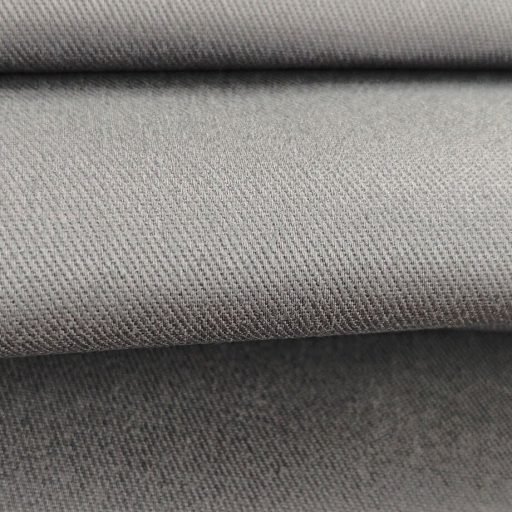
100% Cotton
Weight: 390 GSM
Width: 150cm / 59in
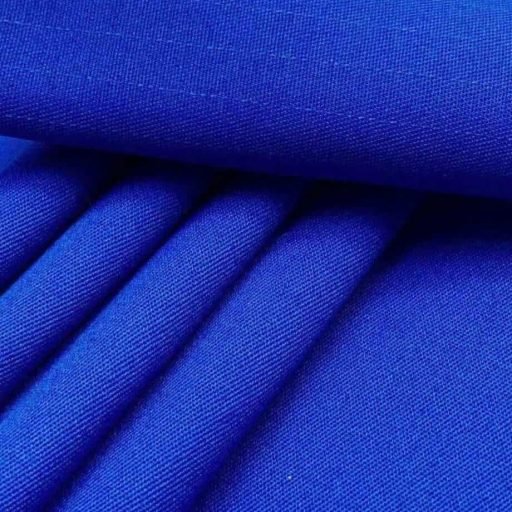
98% Cotton 2% AS
Weight: 220±5 GSM
Width: 150cm / 59in

100% Cotton
Weight: 185 GSM
Width: 150cm / 59in
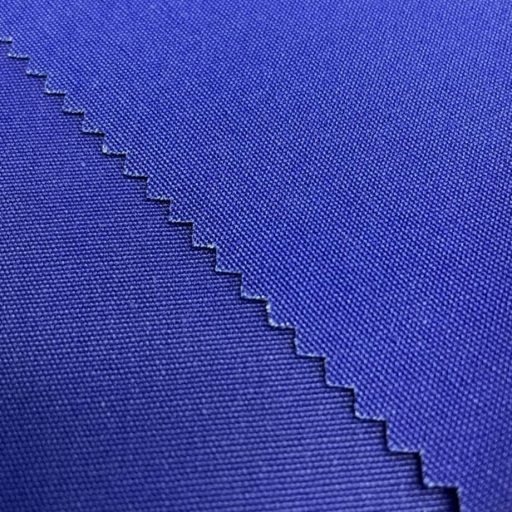
100% Cotton
Weight: 290 GSM
Width: 150cm / 59in
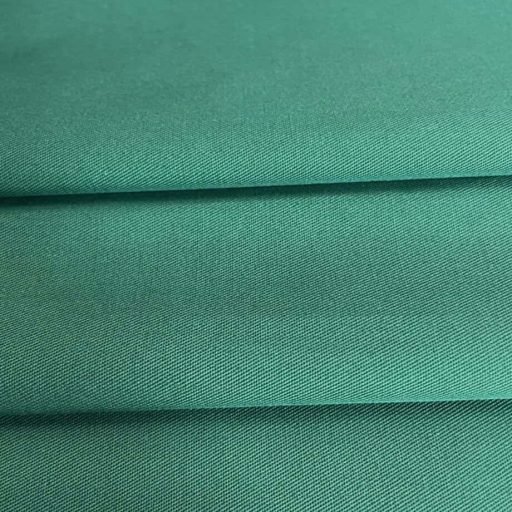
100% Cotton
Weight: 225 GSM
Width: 150cm / 59in
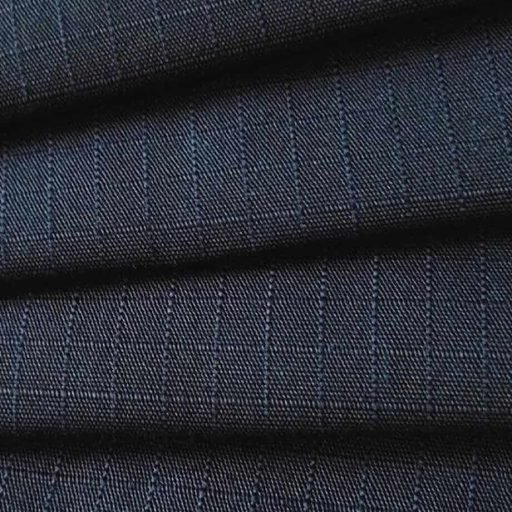
100% Cotton
Weight: 240±5 GSM
Width: 198cm / 78in
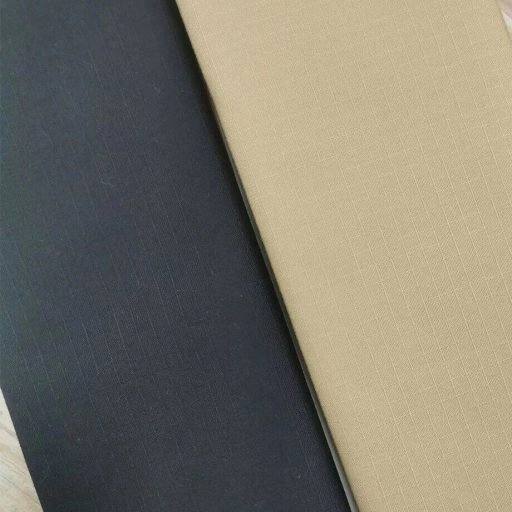
100% Cotton
Weight: 220±10 GSM
Width: 163cm / 64in
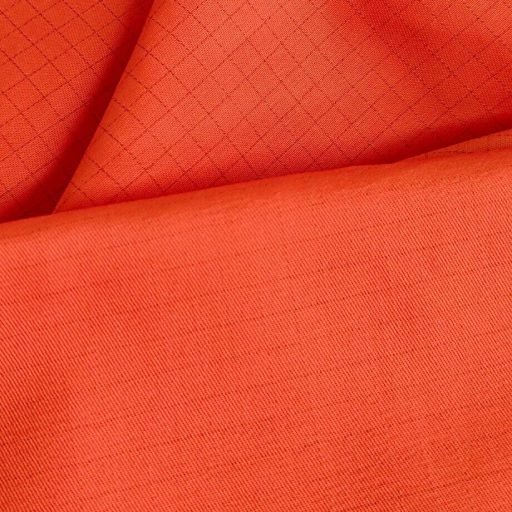
98% Cotton 2% AS
Weight: 240-250 GSM
Width: 165cm / 65in
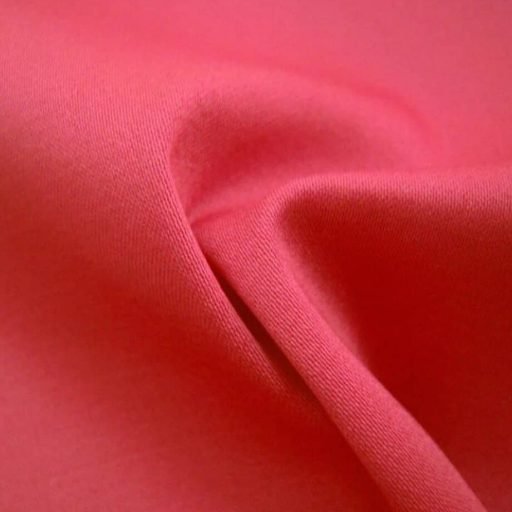
100% Cotton
Weight: 270-280 GSM
Width: 163cm / 64in
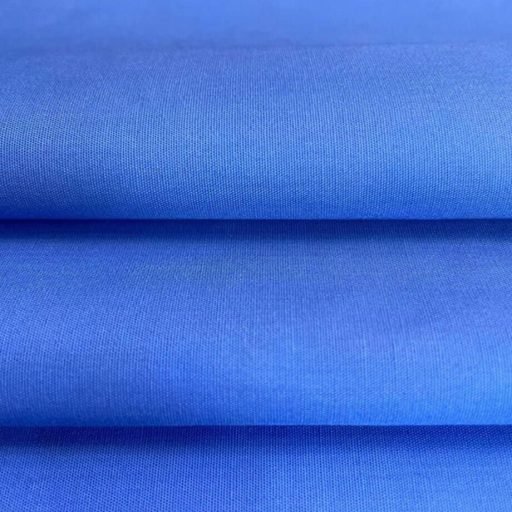
100% Cotton
Weight: 180+ GSM
Width: 170cm / 67in
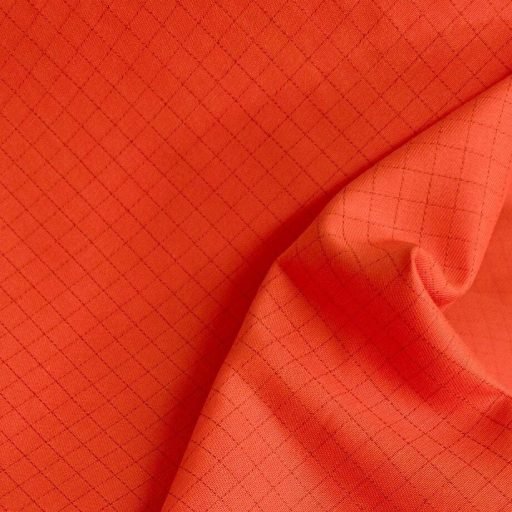
98% Cotton 2% AS
Weight: 280±5% GSM
Width: 160cm / 63in

100% Cotton
Weight: 220±10 GSM
Width: 150cm / 59in
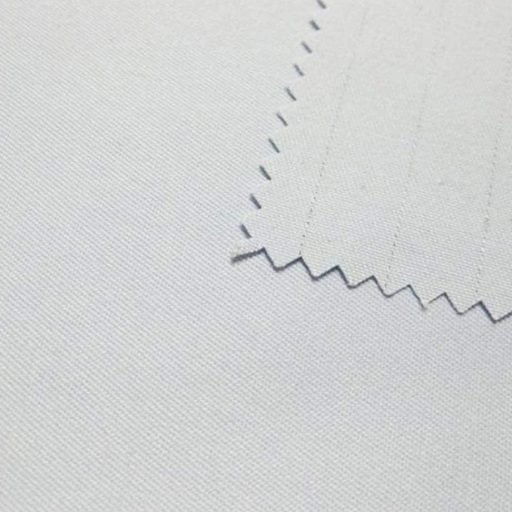
98% Cotton 2% AS
Weight: 220±5% GSM
Width: 165cm / 65in
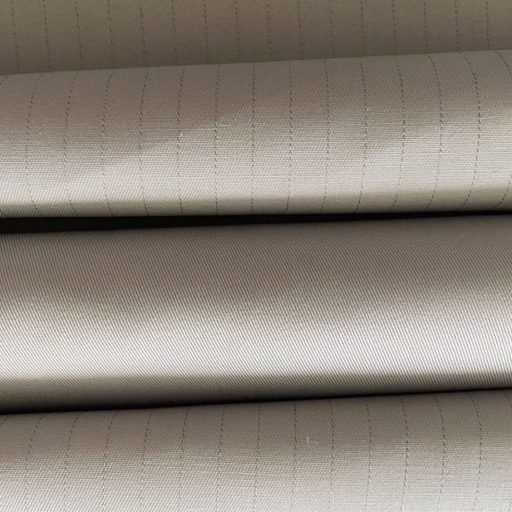
98% Cotton 2% AS
Weight: 240 GSM
Width: 165cm / 65in
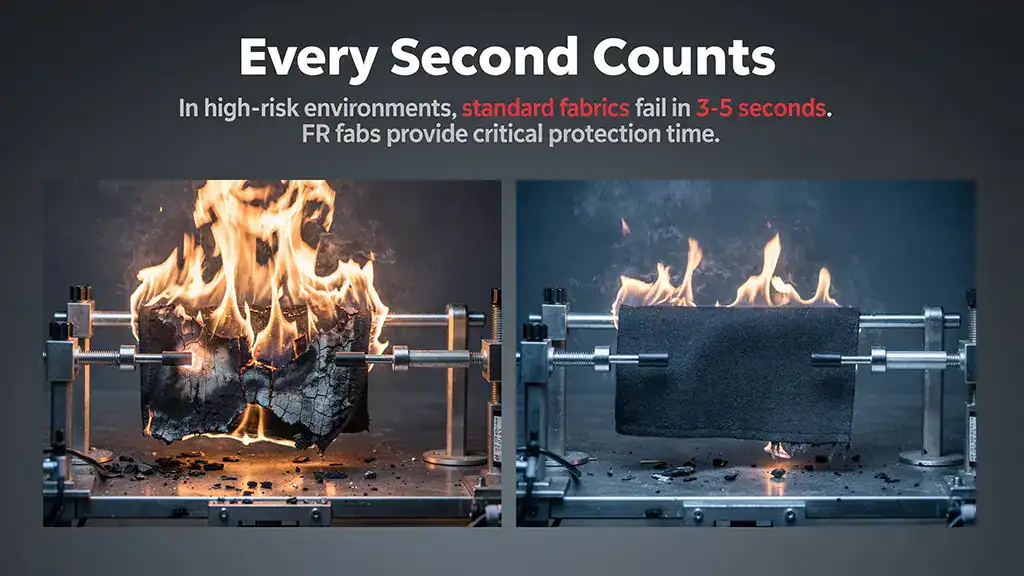
When it comes to protective workwear, not all fabrics offer the same level of safety. 100% cotton flame-retardant fabric is specially treated cotton that resists ignition and self-extinguishes when exposed to flames, providing guaranteed protection for the life of the garment. Unlike regular cotton that burns easily, this FR fabric undergoes chemical treatment that changes how the fibers react to heat and fire.
We see these protective fabrics used across industries where workers face daily exposure to sparks, flames, and intense heat. The fabric maintains the natural comfort and breathability of cotton while meeting strict safety standards. This makes it different from synthetic alternatives that may melt or provide less comfort during long work shifts.
Understanding how FR fabric works and what sets cotton-based options apart helps safety managers and workers make informed choices. We’ll explore the key features, certifications, material comparisons, and leading technologies that make 100% cotton flame-retardant fabric a trusted choice for protective clothing programs worldwide.
The protective capabilities of 100% cotton flame-retardant fabric come from specialized chemical treatments applied to natural fibers, creating material that combines safety with comfort. These fabrics maintain the breathability and softness of regular cotton while meeting strict safety standards for high-risk work environments.
We achieve flame retardant properties in cotton through advanced chemical finishing processes. Levitex uses FR technology to treat 100% natural cotton fibers with compounds that prevent ignition and self-extinguish flames.
The treatment works by changing how cotton reacts to heat and fire. When exposed to flames, the treated fabric forms a protective char layer instead of continuing to burn. This chemical barrier stops the spread of fire across the material.
Two main treatment methods dominate the industry:
These treatments ensure the fabric maintains flame resistance even after 100 washing cycles. The chemical finish becomes part of the fiber structure rather than just a surface coating. This means workers get consistent protection throughout the garment’s lifespan.
Natural cotton provides distinct advantages in flame retardant applications that synthetic materials cannot match. We see cotton’s breathability as a major benefit since it allows air circulation and moisture wicking, keeping workers comfortable during long shifts.
Cotton FR fabrics offer a soft hand feel and excellent comfort while still protecting against heat and flames. The natural fibers regulate body temperature better than synthetics, reducing heat stress in already dangerous work conditions.
Cotton also resists static electricity buildup, which matters in environments with flammable gases or dust. The fabric won’t melt onto skin like some synthetic materials when exposed to extreme heat. Instead, it maintains its structure and provides a barrier between flames and the wearer.
Workers appreciate that 100% cotton fabric feels familiar and comfortable against their skin. This encourages proper use of protective equipment throughout entire work shifts.
We find that treated cotton flame retardant fabric balances protection with wearability in ways synthetics struggle to match. High-density cotton yarn finished with FR treatment creates fabric weighing around 360 g/m² that remains breathable despite its protective density.
Cotton fr fabric maintains its protective qualities through repeated industrial washing cycles. The treatments bond at a molecular level, so the flame retardant properties don’t wash out with normal laundering.
Key durability factors:
Synthetic alternatives may offer lighter weight, but they often sacrifice breathability and comfort. Cotton’s natural properties mean less skin irritation and better moisture management. Workers who wear flame retardant fabric for 8-12 hour shifts notice the difference in comfort levels.
The fabric also tears rather than melts under extreme conditions, providing an additional safety advantage over petroleum-based materials.
100% cotton flame-retardant fabric must meet specific international standards that test how well the material protects against welding sparks, heat exposure, and open flames. EN11611 focuses on protection during welding operations, while EN11612 addresses broader heat and flame hazards in industrial settings.
EN11611 is the European standard that specifies requirements for protective fabrics used in welding and similar processes. The standard includes two protection classes: Class 1 for less hazardous welding techniques and Class 2 for situations requiring higher levels of protection.
We test fabrics under this standard for resistance to small molten metal splashes, flame spread, and heat transmission. The material must also resist breaking when exposed to radiant heat. Cotton flame-retardant fabric treated with chemical finishes can achieve these requirements.
Garments certified to EN11611 protect welders from brief contact with flames and prevent ignition from welding sparks. The standard requires that the fabric does not melt, drip, or continue burning after the heat source is removed.
EN11612 establishes performance requirements for protective clothing against heat and flame in industrial environments. This standard uses letter codes to identify specific protective properties:
Performance Codes:
We see EN11612 applied across oil and gas, petrochemical, and electrical utility sectors. The fabric must pass vertical flame tests and demonstrate that it self-extinguishes quickly. Higher numbered codes indicate better protection levels within each category.
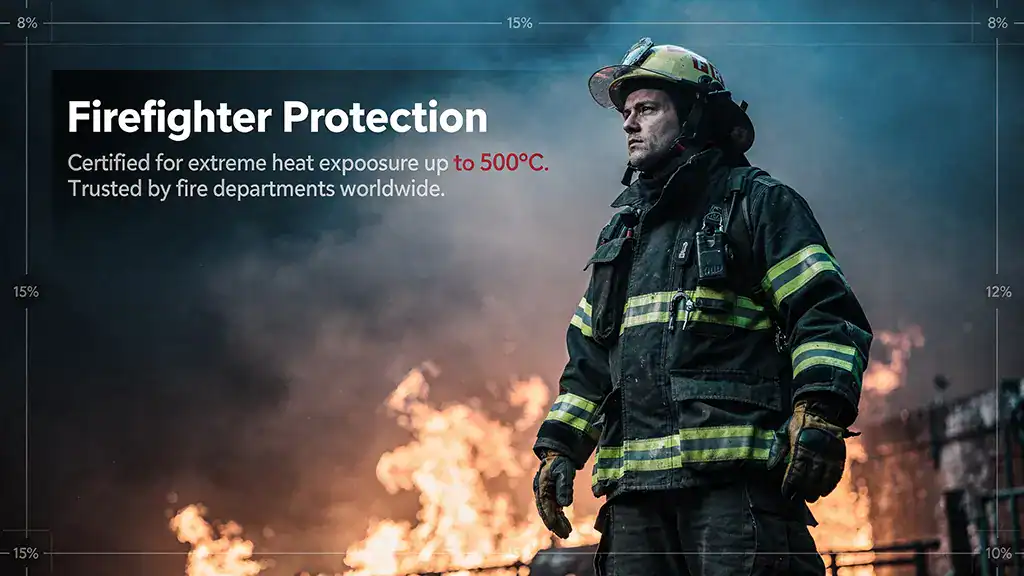
NFPA 2112 certification requires fabrics to pass rigorous testing including the ASTM F1930 manikin test and ASTM D6413 vertical flame test. The manikin test simulates a 3-second flash fire at 2 cal/cm² and allows no more than 50% predicted body burn.
We also encounter ISO 11612, which is essentially the international version of EN11612. Additional testing methods include thermal stability tests where fabric must withstand 260°C for 5 minutes without more than 10% shrinkage.
Third-party certification from organizations like UL or CSA verifies that garments meet these standards.
FR fabric options vary in composition, with 100% cotton and cotton nylon blends being the most common choices for flame-retardant applications. Each material blend offers distinct advantages for durability, comfort, and protection levels in different work environments.
When we examine 100% cotton fabric, we find a material that offers excellent breathability and natural comfort. Pure cotton fibers provide good baseline protection when treated with flame-retardant chemicals.
However, cotton fibers alone offer less wear resistance compared to blended options. This makes 100% cotton fabric more prone to abrasion and general wear over time.
Cotton nylon blends typically combine these materials in specific ratios. A common blend is 88% cotton and 12% nylon, which maintains flame resistance while improving durability.
Key differences between the materials:
We see distinct performance variations when these protective fabrics are used in different industrial settings. Cotton and cotton nylon combinations are treated materials suitable for gas, oil, utility, chemicals, and petrochemical industries.
The blended fabrics show superior resistance to repeated use and laundering. Pure cotton maintains its soft feel but may deteriorate faster under harsh conditions.
In environments requiring frequent washing, we need to consider fabric longevity. Cotton nylon blends withstand more wash cycles while maintaining their protective properties. However, some flame retardant treated nylon/cotton blend fabrics are better suited for low washing requirements like curtains or disposable protective clothing.
We recommend selecting FR fabric based on specific workplace hazards and usage patterns. For high-abrasion environments, cotton nylon blends provide better long-term value through extended garment life.
If maximum breathability matters most, 100% cotton fabric remains the preferred choice despite higher costs. Workers in hot environments benefit from cotton’s natural moisture management properties.
Budget considerations also influence our material selection. While pure cotton typically costs more initially, we must weigh this against replacement frequency for blended options that last longer.
Application frequency plays a role too. Single-use or occasional-wear scenarios may favor 100% cotton for its comfort, while daily industrial use benefits from the enhanced durability of cotton nylon combinations.
100% cotton flame-retardant fabric serves as the foundation for protective workwear across multiple high-risk industries. These fabrics protect workers from flash fires, sparks, and molten metal while maintaining the breathability and comfort of natural cotton.
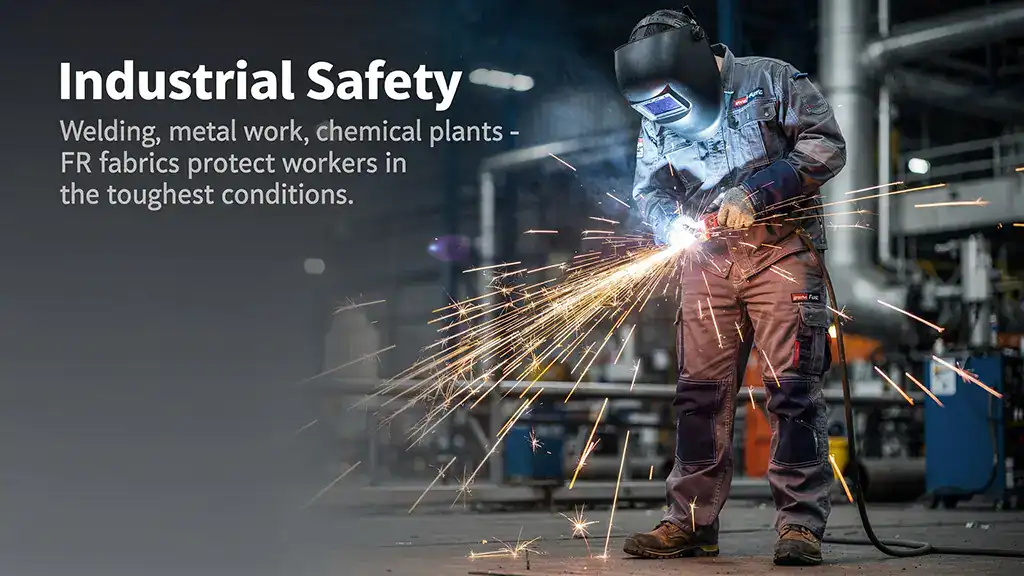
Flame retardant welding jackets, pants, and coveralls made from 100% cotton provide essential protection in welding and metal cutting environments. The fabric shields workers from sparks, flame exposure, and molten metal splash that occur during daily operations.
We find that FR fabrics with Proban finishing work particularly well in foundries and metalworking facilities. These treated cotton materials resist ignition while allowing heat to dissipate naturally. The fabric maintains its protective properties even after repeated exposure to high temperatures and flying sparks.
Welding applications typically require fabrics weighing between 265 to 350 GSM (grams per square meter). Heavier weights offer better protection against prolonged heat exposure and mechanical abrasion. The cotton base provides comfort during long shifts while the flame retardant treatment ensures safety compliance.
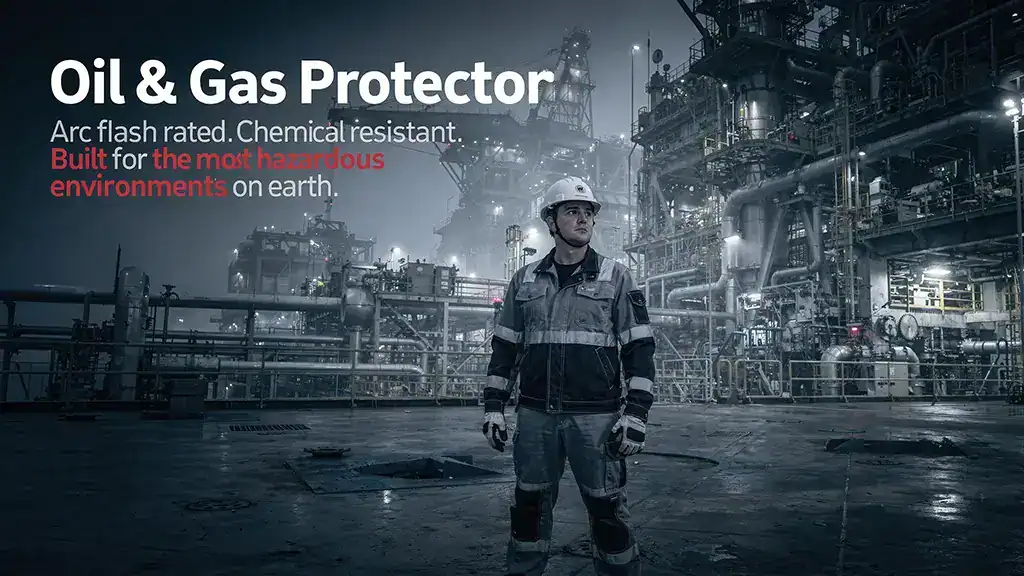
Workers in petrochemical, oil, gas, and electrical industries face constant exposure to flash fire hazards. 100% cotton flame retardant fabric meets the NFPA2112 standard and provides minimum Arc Ratings of 8 cal/cm² for these demanding environments.
The fabric retains its flame retardant properties after multiple washes, making it cost-effective for frequent industrial use. Many formulations also include anti-static properties to prevent dangerous static buildup in explosive atmospheres.
We see these protective fabrics used across several applications:
Modern protective clothing combines FR cotton fabrics with advanced design features for enhanced functionality. Manufacturers now integrate multiple protective elements into single garments without sacrificing comfort or mobility.
Common fabric blends include 98% cotton with 2% antistatic fibers for high-visibility applications, and 88% cotton with 12% nylon for improved abrasion resistance. These combinations maintain the breathability of cotton while adding specialized protection features.
We observe that garment construction now includes FR-compliant components throughout the entire design. Zippers, threads, buttons, and closures must all pass high-temperature and flame resistance testing. This comprehensive approach ensures no weak points exist in worker protection systems.
Several manufacturers have developed specialized flame retardant treatments and proprietary technologies for 100% cotton fabrics. LEVITEX flame retardant fabrics protect workers from arcs, flames, and molten metal, while Indura stands as the first FR resistant 100% cotton fabric engineered to provide guaranteed flame resistance for the life of the garment.
We recognize LEVITEX as a key manufacturer of 100% cotton FR fabric designed for industrial protection. Their fabrics are specifically engineered to make clothing that safeguards workers from serious injuries when exposed to electrical arcs, open flames, or molten metal splashes.
The durability of LEVITEX products ensures they maintain their protective properties through repeated washings and extended wear periods. This longevity makes them cost-effective for companies that need reliable flame retardant fabric for their workforce. The fabrics meet various industry safety standards while providing comfort that workers need during long shifts.
Indura represents a significant advancement in FR fabric technology, with the brand name derived from “industrial durability.” The fabric maintains its flame-resistant properties whether washed in high-temperature industrial settings or standard home washing procedures.
XM FireLine offers flame retardant cotton fabrics treated with specialized finishing processes for automotive, petrochemical, and power energetics industries. We also see manufacturers applying durable finishes like Proban® to achieve the necessary FR properties in 100% cotton materials. These treatments allow the natural cotton fibers to resist ignition while maintaining breathability and comfort.
The industry continues developing more sustainable flame retardant treatments that reduce environmental impact. Manufacturers now focus on chemical finishes that provide long-lasting protection without compromising the natural properties of cotton fibers.
Modern FR fabric production involves decades of research into highly technical and proprietary technologies. Recent updates to safety standards emphasize annual recertification and expanded testing requirements. We observe growing demand for fabrics that balance worker safety with environmental responsibility, pushing manufacturers to innovate beyond traditional chemical treatments.
We recommend looking for fabrics that meet NFPA 2112 standards for industrial protective clothing or NFPA 701 for drapery and furnishing materials. These certifications ensure the fabric has been tested for flame resistance under controlled conditions.
ASTM D6413 is another important standard that measures vertical flame resistance in textiles. For workplace safety garments, OSHA regulations often require compliance with specific NFPA standards depending on the hazard level.
OEKO-TEX Standard 100 certification confirms that the flame retardant treatments meet strict safety standards for skin contact. Some manufacturers also test their fabrics using NFPA 705, which is a field test method for textiles already in use.
Flame-retardant cotton fabrics maintain their comfort characteristics, including softness, breathability, and versatility, without significant compromise. Modern chemical treatments are engineered to preserve the natural properties that make cotton a preferred fiber.
The durability of the flame-retardant properties depends on whether the fabric has a topical finish or is made with inherently flame-resistant fibers. Topical treatments may require reapplication after multiple wash cycles or dry cleaning sessions.
We find that properly maintained flame-retardant cotton retains its protective qualities through normal wear. However, the chemical treatment can degrade over time with repeated washing, exposure to harsh detergents, or bleach.
Cotton fabric requires chemical treatment to become flame-retardant. Natural cotton fibers are not inherently fire-resistant and will burn when exposed to flame.
The treatment process involves immersing the cotton fabric in special flame-retardant chemicals that adhere to or react with the fibers. When exposed to flame, these chemicals release gases to displace oxygen or form a protective char layer on the fiber’s surface.
PYROVATEX and DROTEX are two common chemical treatment technologies used on 100% cotton fabrics. These treatments prevent flames from spreading while maintaining the fabric’s natural characteristics.
We advise washing flame-retardant cotton in warm or cold water with mild detergent. Avoid using bleach, fabric softeners, or harsh chemicals that can break down the flame-retardant treatment.
Machine washing on a gentle cycle works best for most treated fabrics. Tumble dry on low heat or line dry to preserve the chemical treatment.
Never use chlorine bleach or hydrogen peroxide-based products on flame-retardant cotton. Treated FR fabrics may need retirement from service when the chemical treatment becomes compromised, even if the fabric shows no visible wear.
Some manufacturers recommend annual testing to verify the fabric still meets flame resistance standards. We suggest following the specific care instructions provided by your fabric manufacturer.
Flame-retardant cotton offers superior comfort and breathability compared to synthetic alternatives. Cotton’s natural fiber characteristics provide better moisture management and temperature regulation for workers in hot environments.
Cost is another significant factor where flame-retardant cotton excels. These fabrics match the protective performance of competitive products at a fraction of the cost.
Various fibers including cotton and polyester are used in treated FR fabrics, each offering different benefits. Cotton blends with nylon or polyester provide enhanced durability but may require more complex treatment processes.
We consider the specific hazard level, comfort requirements, and budget when selecting between flame-retardant cotton and alternatives like aramid fibers or modacrylic blends. Cotton works well for moderate heat exposure and general industrial use.
Industrial textile suppliers and specialized safety fabric distributors offer flame-retardant cotton by the yard. We recommend requesting samples and certifications before placing large orders.