
Piece dyed fabric receives color after weaving or knitting; yarn dyed fabric uses yarn colored before construction, making piece dyeing a practical choice for solid shades and yarn dyeing a direct route to multicolor woven patterns. For industrial fabric buyers comparing piece dyed vs yarn dyed, that timing affects color commitments, pattern options and repeat-order planning.
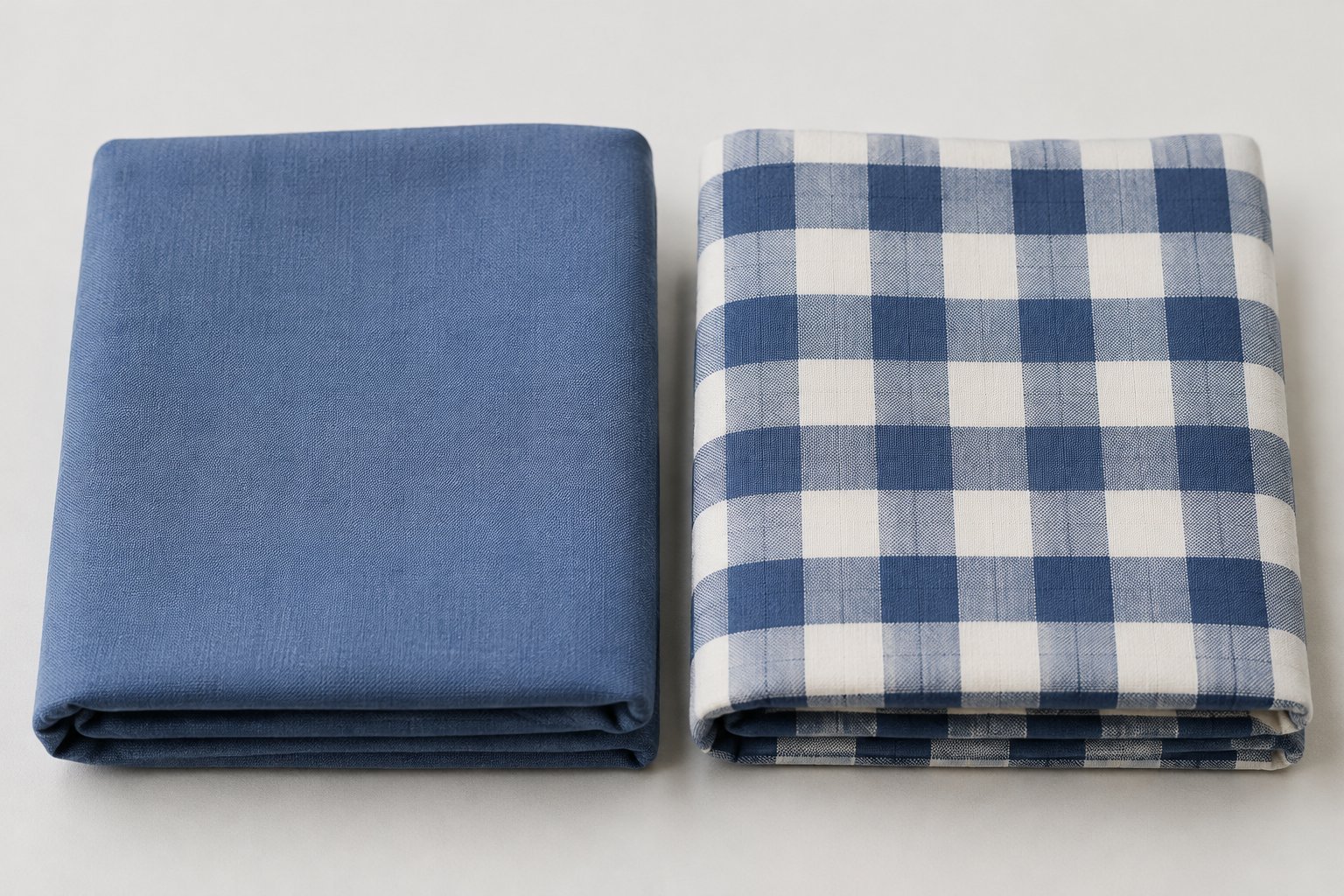
Neither production label guarantees color retention or protective performance. Levitex manufactures flame-resistant textiles and provides custom dyeing and printing for industrial workwear applications. Its textile manufacturing focus places the purchasing decision on the finished fabric specification, including the required appearance and product-specific verification.
When Does Color Enter Production, and What Patterns Can It Create?
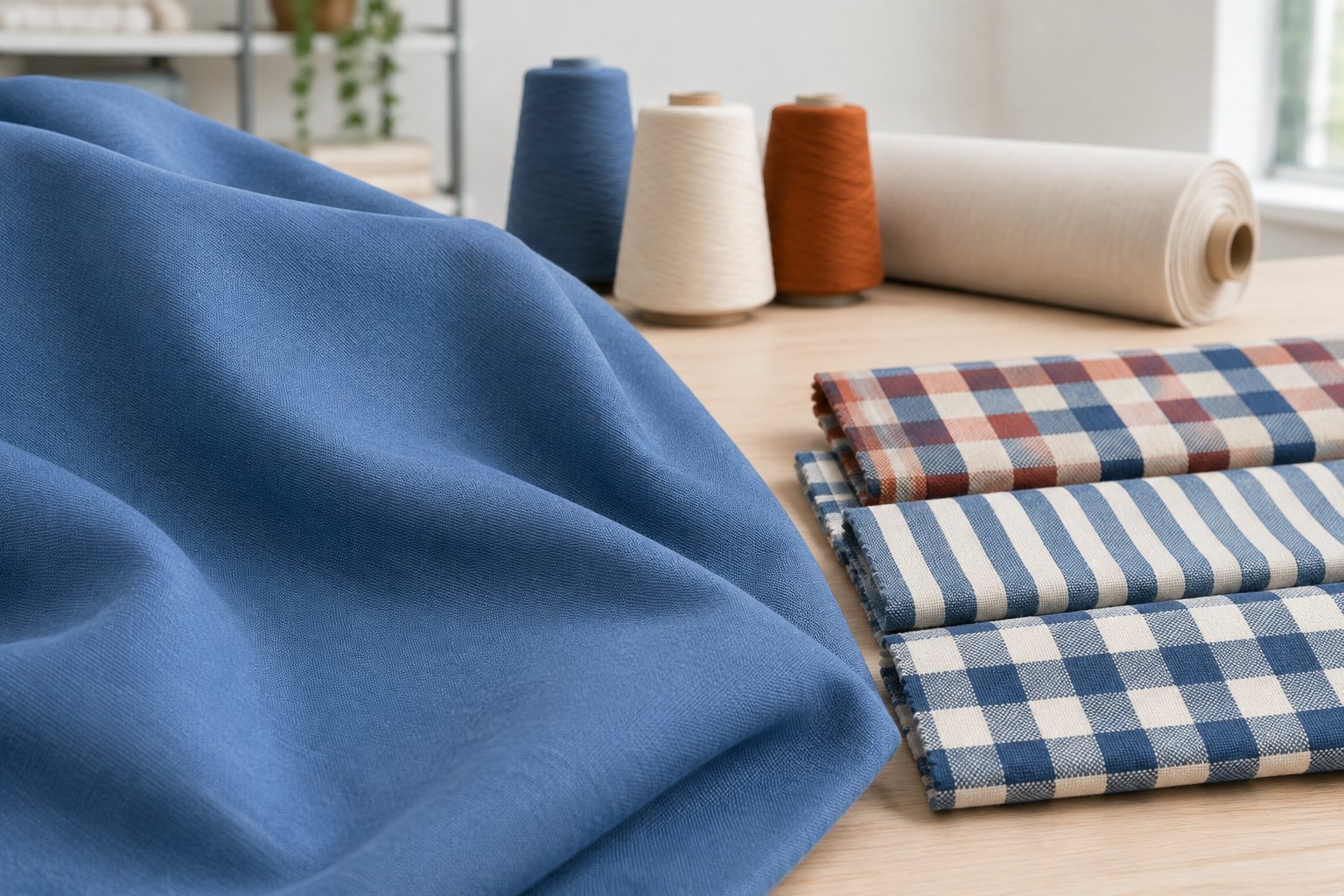
Color enters before fabric construction in yarn dyeing and after construction in piece dyeing. That sequence determines how manufacturers arrange different colors within the textile.
Yarn Dyeing Before Weaving or Knitting
Yarn dyeing colors yarn before it enters weaving or knitting. In package dyeing, dye liquor circulates through yarn wound onto perforated carriers; hank dyeing processes yarn arranged in loose skeins.
The manufacturer then positions dyed yarns according to the production plan. Different warp and weft colors create woven designs, while knitting machines introduce colored yarn in selected courses or patterned arrangements.
Both woven and knitted textiles support yarn-dyed production. The separate differences between FR knit and woven fabric concern fabric structure, including stretch and stability; the dyeing label identifies when color entered production.
Piece Dyeing After Fabric Construction
Piece dyeing colors cloth after the manufacturer has woven or knitted it. Production starts with undyed fabric, commonly called greige goods, followed by preparation appropriate to the fiber and fabric dyeing process.
Preparation removes substances that interfere with uniform dye uptake, such as weaving size or processing oils. Dyeing then introduces the specified shade across the fabric.
A piece-dyed fabric still requires subsequent processing to reach its delivery specification. Drying and finishing affect its final dimensions and appearance, so approval belongs on material representative of the finished order.
Solid Shades vs. Woven-In Checks and Stripes
Solid industrial uniform shades suit piece dyeing because a mill can allocate suitable greige stock to a color after fabric construction. Yarn-dyed fabric also supports solid colors when the selected yarns share the same shade.
Multicolor checks and stripes require controlled color placement. Yarn dyeing supplies that placement for a woven-in pattern, including tartans. Single-color piece dyeing produces an overall shade; printing or selective dye uptake introduces other pattern possibilities.
| Criterion | Piece-Dyed Fabric | Yarn-Dyed Fabric |
|---|---|---|
| Color added | After fabric construction | Before fabric construction |
| Common appearance | Solid shades | Solids, checks, stripes |
| Woven multicolor pattern | Requires additional techniques | Built from colored yarns |
| Color commitment | At fabric-dyeing stage | Before weaving or knitting |
| Main inventory commitment | Greige fabric | Color-specific yarn |
| Fastness assurance | Finished-fabric testing | Finished-fabric testing |
How to Distinguish Dyed Patterns from Printed Patterns
Inspection starts by following individual yarns through the design. In a yarn-dyed check, differently colored yarns form the pattern at their intersections. Under magnification, a printed boundary frequently crosses several neighboring yarns.
The reverse provides another clue, but weave structure affects how much of each yarn appears on either face. Some prints also penetrate deeply.
A buyer should therefore combine visual inspection with the supplier’s process declaration and an approved construction sample. Appearance alone provides limited evidence of the complete manufacturing route.
Does the Dyeing Stage Determine Colorfastness?
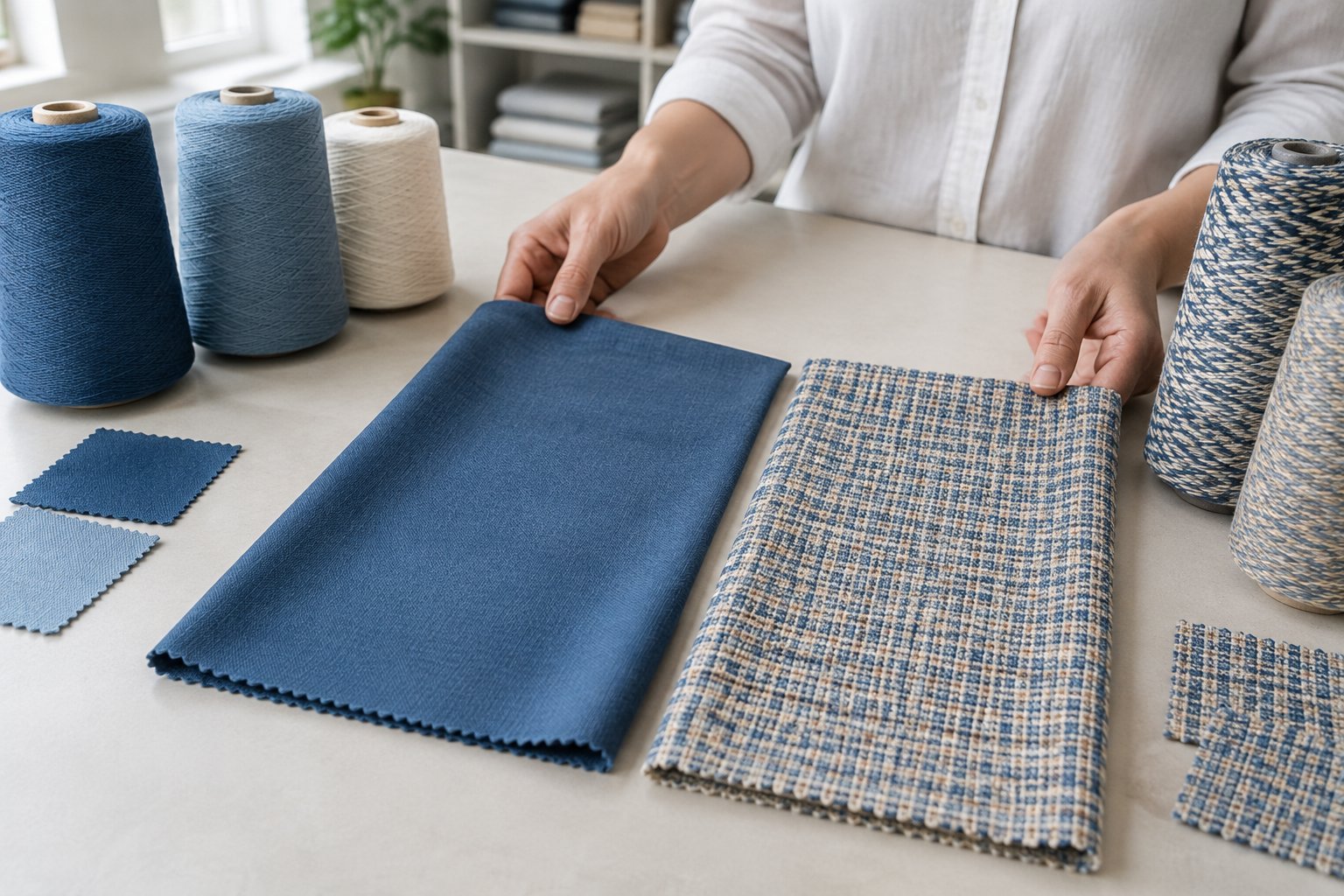
Colorfastness depends on the fiber-dye combination and processing conditions, so either dyeing route requires verification. A yarn-dyed label provides no universal ranking for resistance to washing, rubbing or light exposure.
Why Fiber, Dye Chemistry and Processing Matter More Than the Label
Reactive dyes are widely used for cotton, while disperse dyes serve polyester. Blended fabrics require a dyeing process that addresses the behavior of their different fiber components.
Dye selection establishes part of the performance potential. Preparation, fixation and removal of residual color influence the finished result.
Yarn-dyed cotton with inadequate washing-off risks color transfer during use. A properly processed piece-dyed cotton fabric supports strong color retention. Procurement specifications should identify the required test results and care conditions for the actual finished textile.
Wash Fastness, Crocking and Lightfastness Measure Different Risks
Color fastness describes resistance to a particular exposure. A result for one exposure leaves other risks unresolved.
- Wash fastness: Color fastness to washing evaluates shade change and staining of adjacent materials under a defined laundering procedure.
- Crocking: Color fastness to rubbing evaluates color transfer through contact. Wet and dry rubbing results address different conditions.
- Lightfastness: Color fastness to light evaluates fading under controlled light exposure.
For a multicolor fabric, buyers should also consider staining between contrasting colors. A dark stripe beside a light ground creates a different acceptance concern from a uniformly dark fabric.
Why Color Retention Does Not Establish Protective Performance
Protective performance requires evidence for the specific hazard and finished material. A fabric that retains its shade through laundering has demonstrated a color property under those test conditions.
Flame resistance requires separate evaluation. Chemical repellency and electrostatic behavior also have their own assessment requirements when included in a specification.
Dyeing and finishing must therefore be evaluated together for protective-workwear textiles. Fabric reports support material selection, while external garment-level requirements also address construction and components such as closures or sewing thread. Levitex supplies textiles; garment manufacturing remains a separate responsibility.
How Does Each Route Affect Cost, Consistency and Ordering?
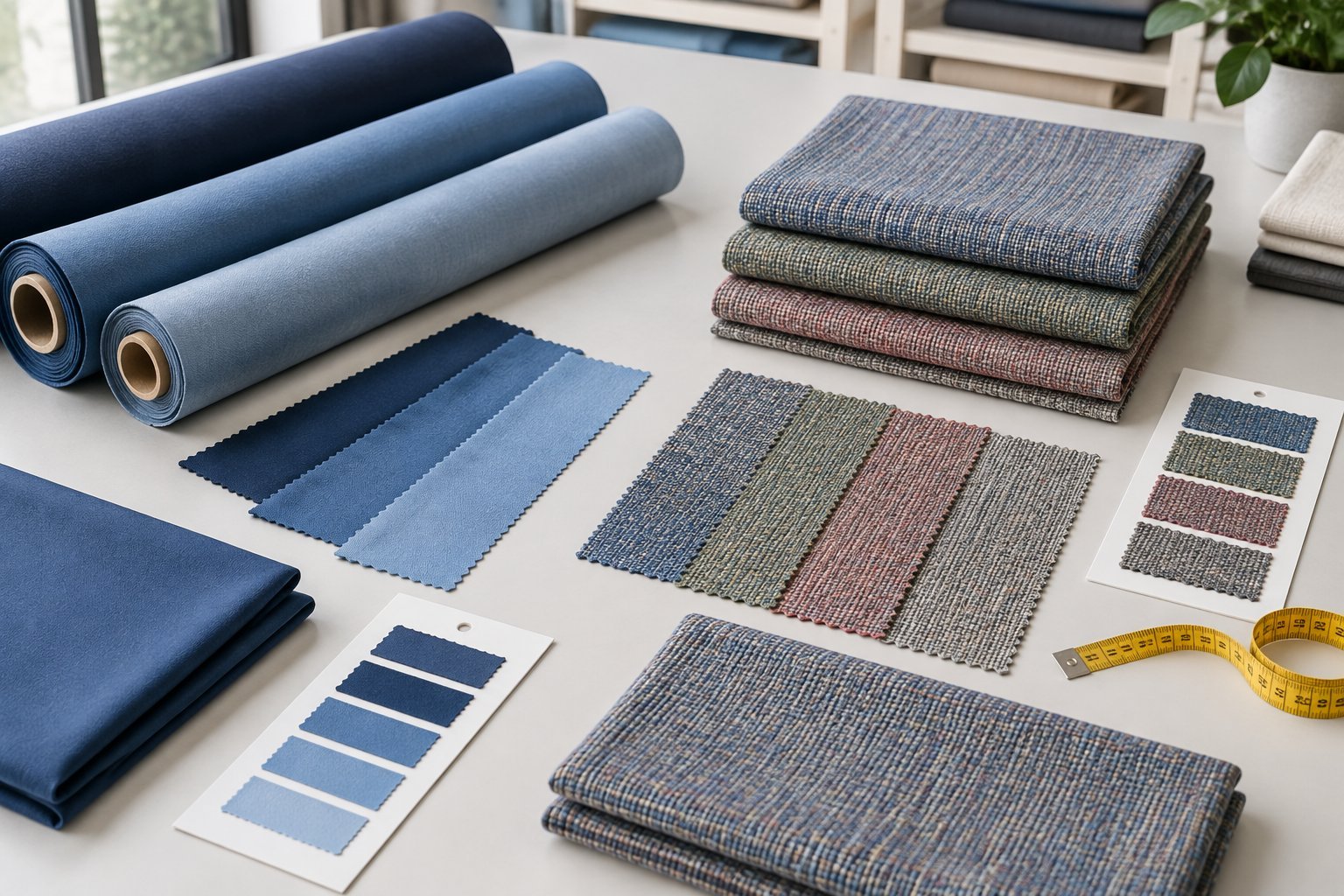
Piece dyeing postpones the color decision until fabric is available, while yarn dyeing commits colored material before construction. Cost and delivery follow those commitments, along with order volume and production availability.
Compare Yarn Commitments, Greige Stock and Production Scheduling
For solid shades, piece dyeing often reduces color-specific inventory commitments. A mill holding suitable greige stock has already completed fabric construction before the buyer selects the final shade.
Yarn-dyed orders require sufficient quantities of each specified yarn color. Pattern setup, yarn availability and unused colored-yarn balances influence the quotation.
Neither route carries a fixed delivery advantage for every order. Stocked yarn-dyed fabric avoids a fresh production run, while custom piece-dyed fabric still needs a dyeing slot. Discussions about FR fabric MOQ, lead time and sampling should establish whether quoted quantities apply per color, construction or complete order.
Approve Shade Standards and Control Variation Across Repeat Orders
Shade matching requires a shared reference for both routes. A physical master standard gives the mill and buyer a common basis for approval; screen images introduce differences from lighting and display settings.
For piece-dyed orders, review variation across the fabric width and along the roll. For yarn-dyed orders, approve individual colors alongside the finished pattern because yarn intersections change the visual impression.
Repeat-order controls should record:
- The approved physical standard and sample identification.
- Agreed viewing conditions and instrumental tolerances, where used.
- Dye-lot identification for delivered rolls.
- Rules for separating shade groups during cutting.
- Approval responsibilities when a new lot differs from the master.
Specify Composition, Construction and Finished Weight Separately
The dyeing route leaves many fabric properties unspecified. A purchase order still needs exact fiber percentages, usable width and construction details, along with finished weight.
Grams per square meter, or gsm, measures fabric mass per unit area. Two fabrics with the same gsm can differ in thickness and hand because their yarns and structures differ. The relationship between yarn count and fabric weight helps explain those differences.
For woven-in patterns, the specification also needs repeat dimensions and color placement. Finished-weight tolerances should refer to an agreed measurement method and conditioning procedure.
Discuss Custom Dyeing and Finished-Fabric Verification with Levitex
Levitex offers custom dyeing, including fluorescent dyeing, and custom printing for industrial textile applications. Its principal base-fabric families are 100% cotton, cotton/nylon (C/N), and cotton-rich cotton/polyester (CVC), with woven and knitted constructions available.
An inquiry about custom dyeing and printing on FR fabric should distinguish the required appearance from the requested manufacturing route. Buyers seeking a yarn-dyed construction should obtain written confirmation of route availability for that specification.
Each Levitex product has a test report. Buyers should request the report applicable to the proposed finished fabric and review its stated scope. Charlie Luo, Sale Manager, handles specification inquiries at Charlie@levitex.com or (+86) 1551 730 3033; a useful inquiry includes a reference swatch and anticipated order quantity.
Choose the Dyeing Route That Fits Your Pattern and Order Plan
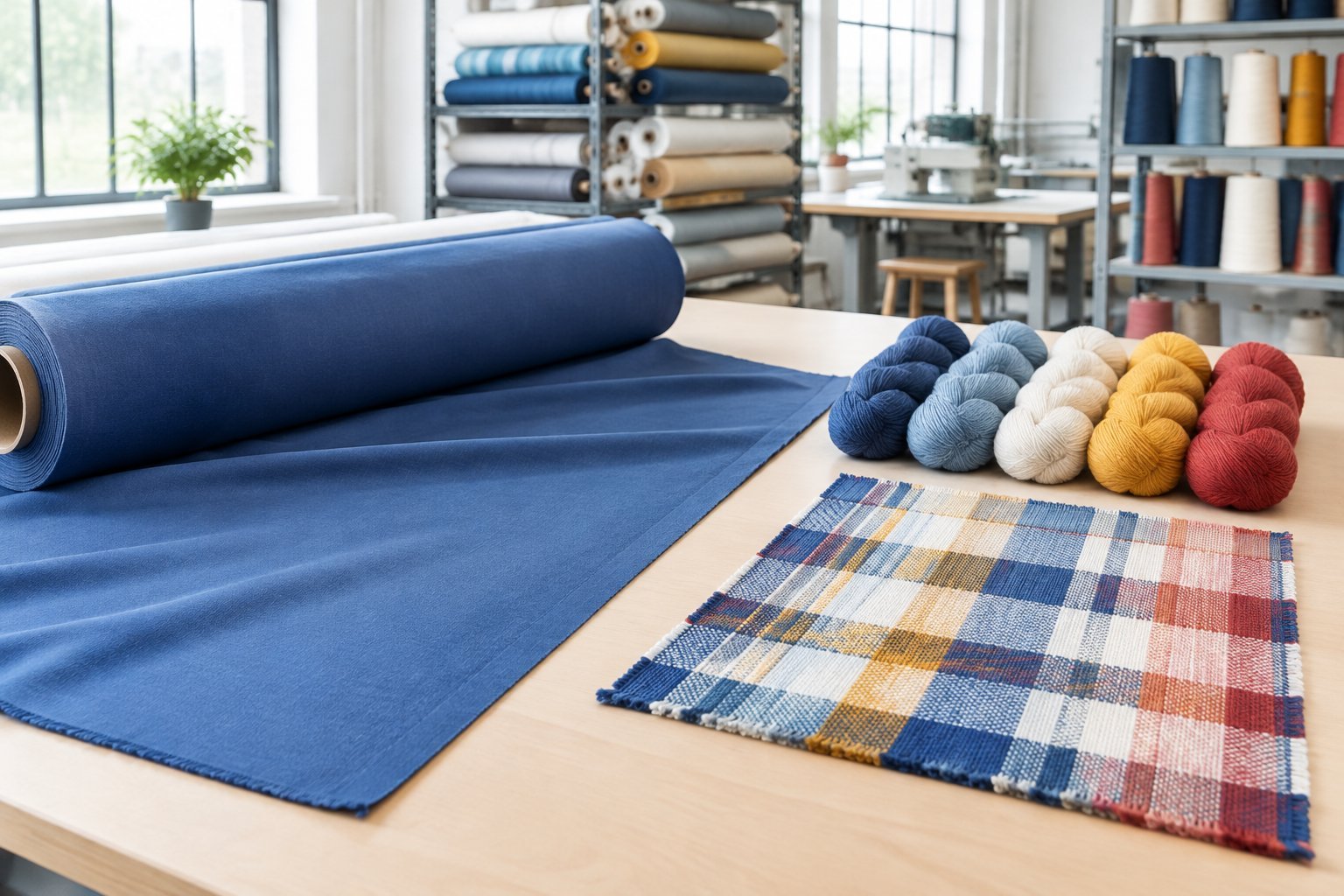
Piece dyeing suits solid-shade programs that benefit from a later color commitment; yarn dyeing suits designs requiring colored yarns arranged within the fabric structure.
The purchasing decision should pair the chosen route with approved shade matching and a complete finished-fabric specification. Claims about color retention require relevant test results, and protective performance requires separate product-specific evidence.
Before bulk release, FR fabric quality control should connect the approved sample to identifiable production lots. The order should record the accepted shade standard, construction tolerances and required reports.
Frequently Asked Questions
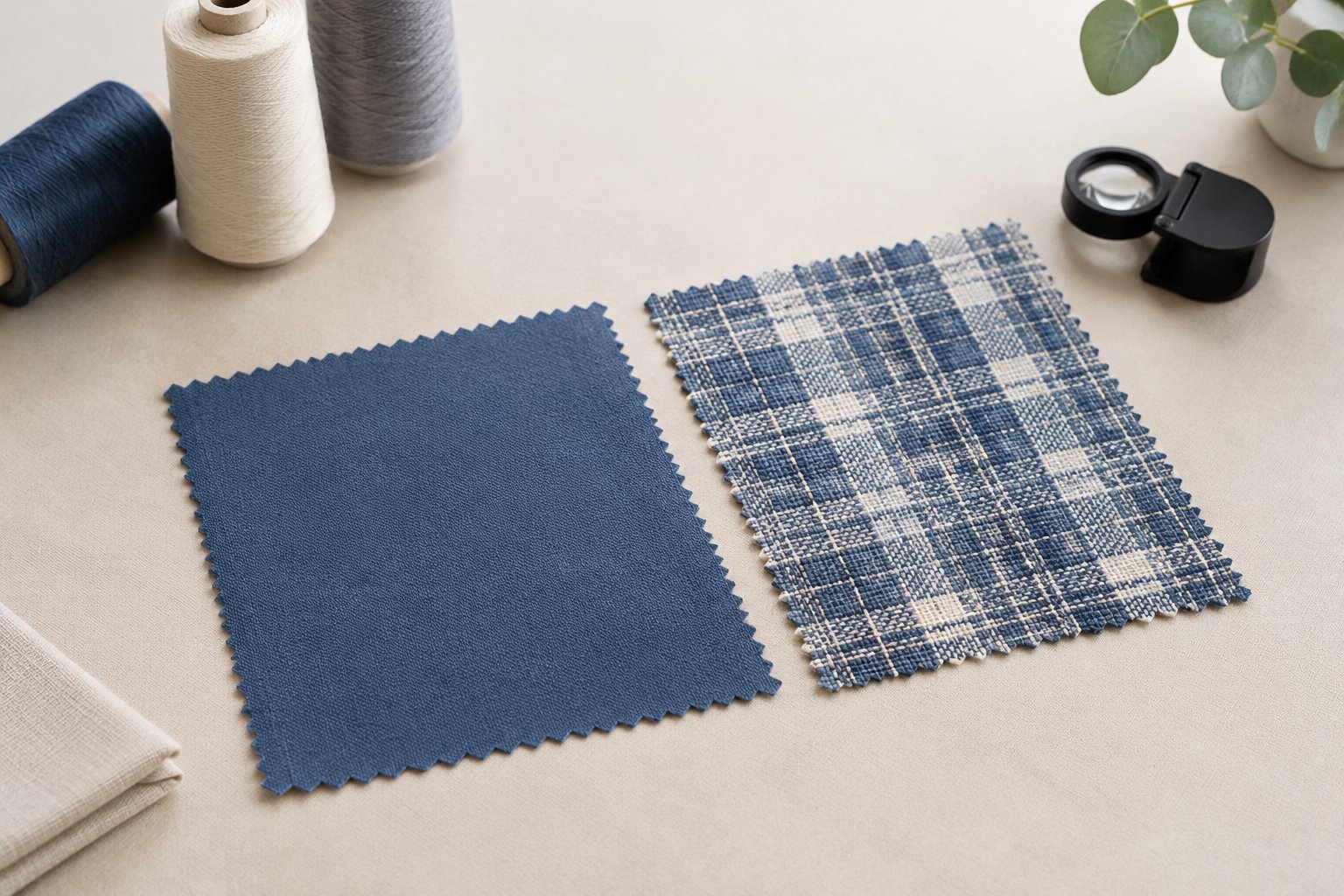
The terms identify production stages; separate specifications establish fabric weight and end-use suitability.
What does “piece dyed fabric” mean?
Piece dyed fabric is cloth colored after weaving or knitting. The term describes dyeing at the fabric stage, before the material is cut and assembled into a finished product.
What does “yarn dyed” mean?
Yarn dyed means the yarn receives color before fabric construction. The colored yarn then enters weaving or knitting in the arrangement specified for the textile.
Can yarn-dyed fabric be a solid color?
Yarn-dyed fabric can have a solid appearance when its yarns share the same specified color. A solid-colored swatch therefore requires supplier documentation to establish its dyeing route.
How is piece dyeing different from garment dyeing?
Piece dyeing colors fabric before cutting and sewing, while garment dyeing colors an assembled garment. Garment dyeing introduces additional considerations because seams, sewing thread and other components enter the dyeing process together.
Does yarn-dyed fabric suit a particular season?
Yarn-dyed fabric has no fixed seasonal category. Seasonal suitability follows its fiber composition, gsm and construction, together with the wearer’s environment and required protection.