CVC FR fabric is a strong starting choice for industrial uniforms that prioritize shape retention and easier maintenance; 100% cotton FR fabric suits programs that prioritize cotton’s absorbency and natural hand. Both require finished-fabric evidence that matches the workplace hazards and intended laundering conditions.
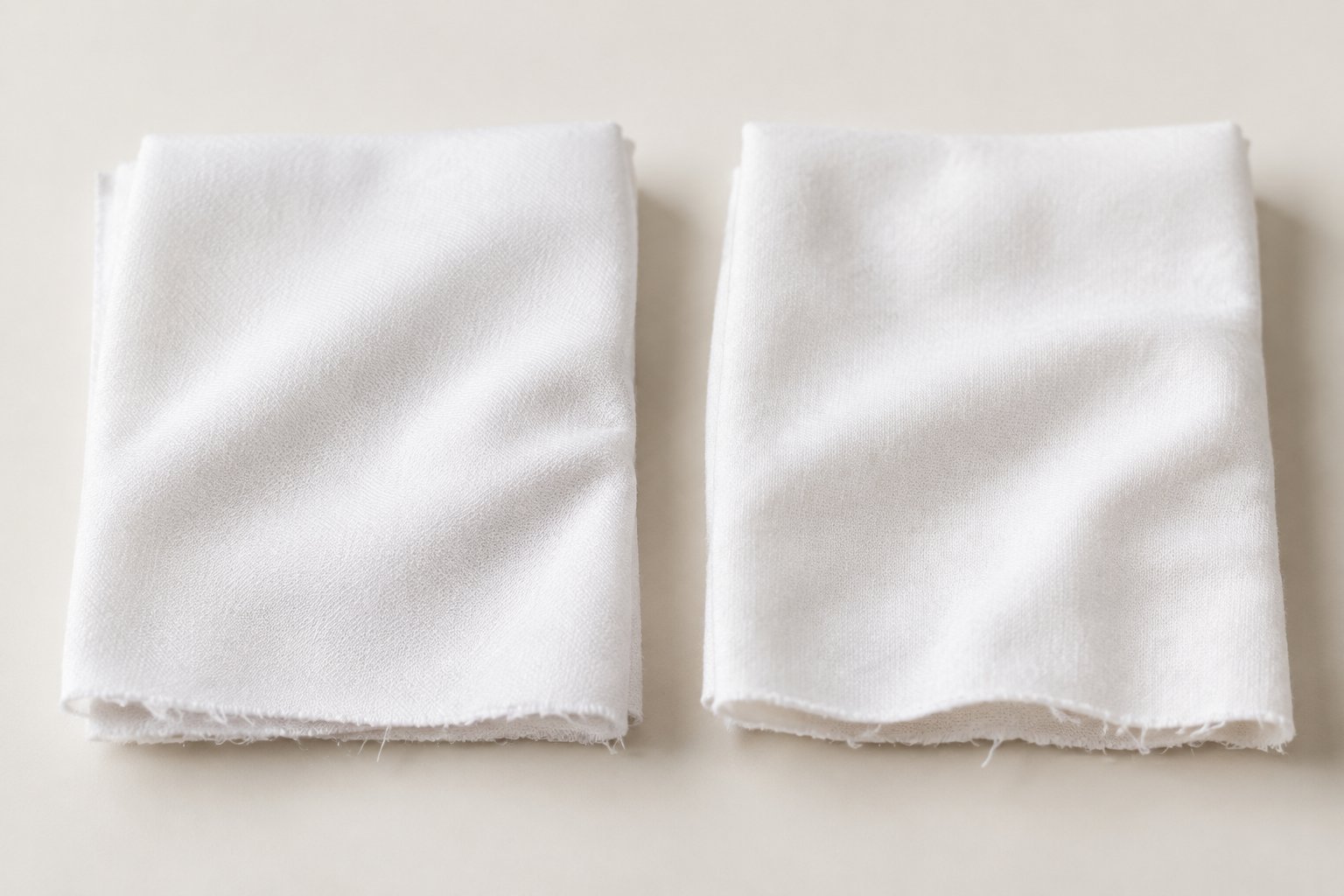
For buyers comparing CVC fabric vs 100 cotton, the purchasing risk lies in treating fiber composition as a complete specification. Fabric construction and finishing influence comfort, serviceability, and protective performance.
Levitex manufactures both cotton-rich CVC and 100% cotton flame-resistant textiles for industrial workwear. Its production capacity includes 1.5 million meters per month dedicated specifically to flame-retardant fabrics, supporting a manufacturing-focused approach to sample approval and bulk purchasing.
What Are the Main Differences for FR Fabric Buyers?
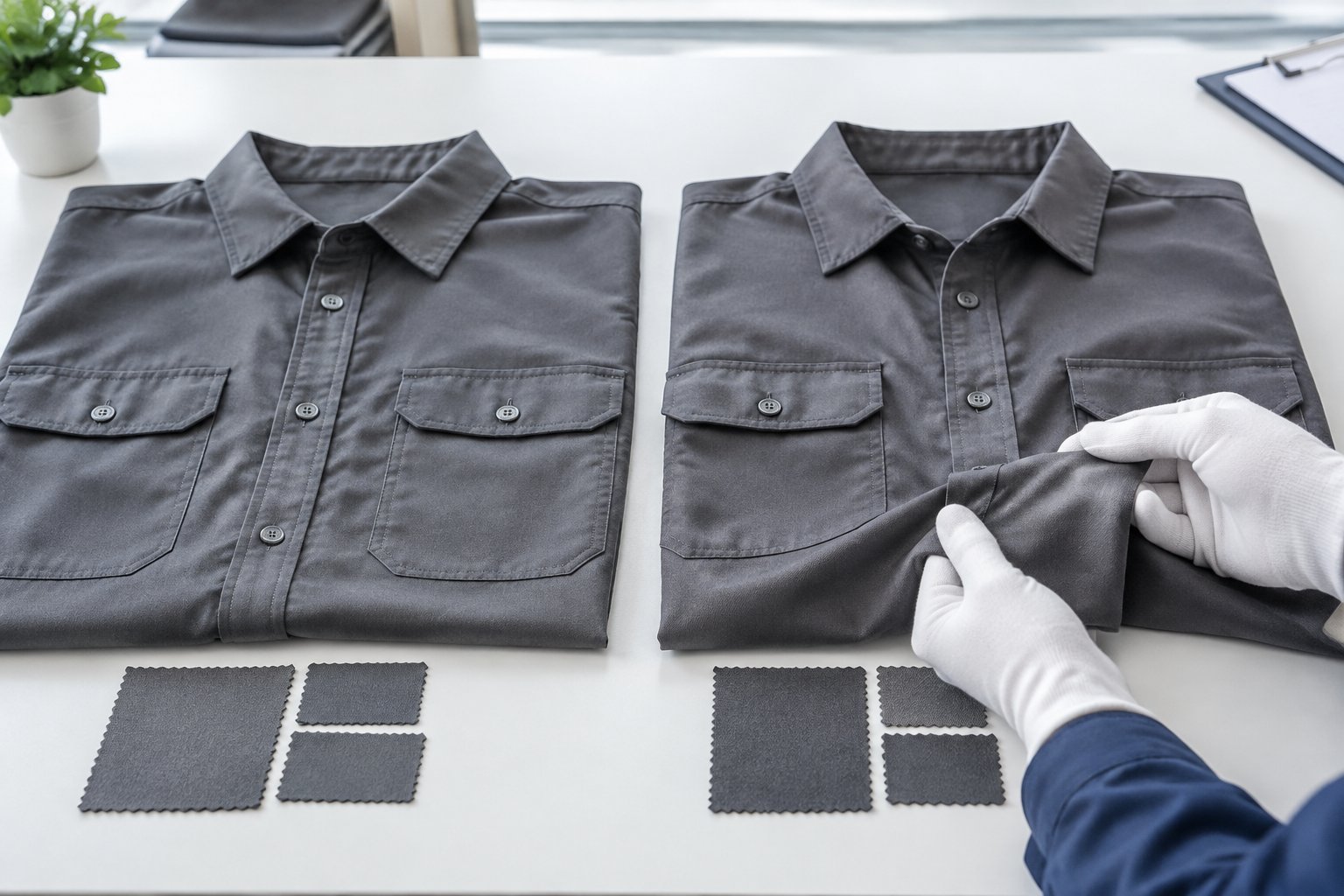
The main difference is polyester’s contribution to cotton-rich CVC, which changes moisture behavior and maintenance characteristics. Finished FR performance requires separate evaluation for each construction.
Cotton-Rich CVC and Pure Cotton: Composition in Brief
CVC means chief value cotton and describes the cotton-rich cotton-polyester blend considered here. Descriptions such as “CVC cotton” remain incomplete purchasing specifications until the supplier states the exact fiber percentages.
By comparison, 100% cotton fabric contains cotton as its fiber composition. FR treatments add finishing chemicals without turning the base textile into a cotton-polyester blend. TC fabric commonly describes polyester-rich blends, so purchase orders should specify percentages instead of relying on trade abbreviations.
A Side-by-Side Comparison of Finished FR Fabrics
The following comparison gives purchasing tendencies for comparable constructions. Each quoted fabric still needs its own finished specification and supporting reports.
| Criterion | CVC FR Fabric | 100% Cotton FR Fabric |
|---|---|---|
| Base composition | Cotton-rich cotton/polyester | All-cotton fiber content |
| Moisture absorption | Lower at comparable construction | Higher at comparable construction |
| Drying behavior | Often faster | Greater moisture retention |
| Shrinkage and creasing | Polyester supports stability | Preparation strongly influences results |
| FR evidence | Product-specific testing | Product-specific testing |
| Purchase price | Quote-specific | Quote-specific |
A soft sample or an attractive price establishes little about protective performance. Buyers need a traceable relationship between the quoted fabric and the tested material.
Why Neither Base Composition Is Inherently Flame Resistant
Untreated cotton burns, while conventional polyester introduces heat-related behavior that requires attention during FR development. Neither ordinary base composition establishes flame protection.
Flame-retardant treatment of 100% cotton changes its response to flame exposure. Cotton-rich CVC also requires an appropriate FR system, with the polyester portion included in the finished-fabric evaluation. Increasing cotton content alone does not establish compliance with a protective-workwear requirement.
How Can Buyers Make a Like-for-Like Comparison?
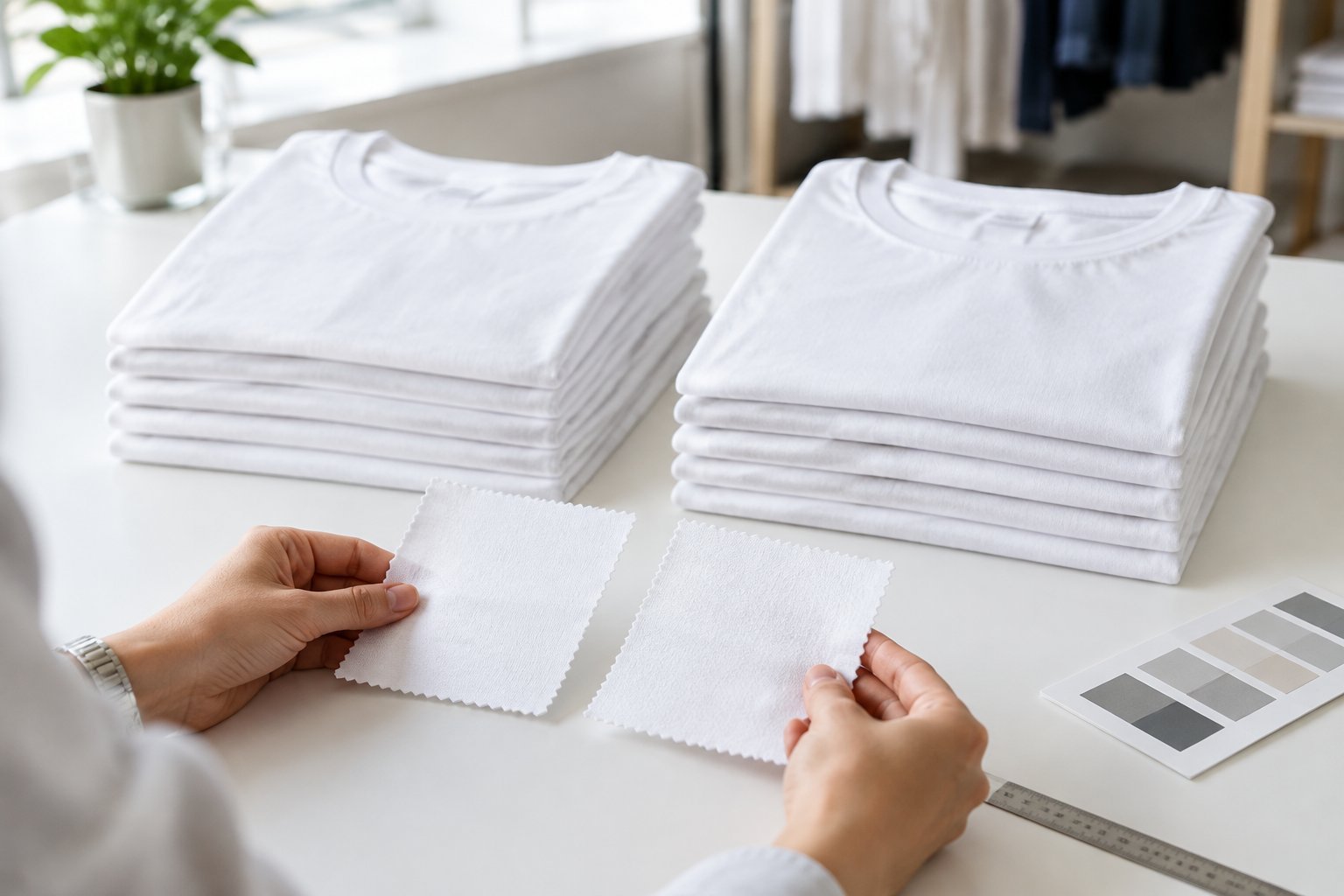
A fair comparison starts with matched finished constructions and equivalent test conditions. Differences in fabric mass or structure otherwise obscure the contribution of fiber composition.
Match Fabric Weight, Weave and Finished Condition
Both candidates should be compared at an agreed finished weight, usable width, and construction. A lightweight cotton fabric and a dense CVC twill answer different production needs, even when both carry an FR description.
The comparison should identify whether weight refers to greige cloth or the completed textile. Dyeing and FR finishing affect mass and handle; testing unfinished samples creates an unreliable baseline for finished workwear procurement.
Separate Woven and Knitted Construction Evidence
Woven fabrics use interlaced yarns, while knitted fabrics use interconnected loops. That structural difference affects stretch, dimensional behavior, and how damage develops during wear.
Levitex manufactures flame-resistant knitted fabrics as well as woven constructions within its stated composition families. Evidence should remain construction-specific: a woven CVC report does not establish the performance of a knitted CVC fabric carrying the same fiber percentages.
Account for Yarn Quality and Surface Preparation
Yarn count and twist influence surface character and strength. Combed ring-spun cotton provides a different starting surface from a coarser yarn, but the yarn description alone does not establish finished FR performance.
Buyers should record singeing, brushing, and other agreed preparation details where relevant. Brushing changes surface fiber exposure; subsequent finishing changes handle again. Sample approval should therefore cover the textile in its final supplied condition.
Check Report Scope, Sample Identity and Laundering Conditions
A useful FR fabric test report identifies the tested sample and method, together with any pretreatment. Buyers should match its fabric reference to the quotation and approved sample.
Laundering details deserve equal attention. Wash temperature, detergent, drying method, and the stated number of cycles define the conditions behind a result. Two reports with different pretreatments provide different evidence, even when their fabric descriptions look similar.
How Do Comfort and Durability Compare in Industrial Use?

Cotton favors moisture absorption, while polyester contributes dimensional stability and changes drying behavior. Wear comfort and durability still require assessment on matched, finished fabrics.
Breathability, Moisture Absorption and Drying Behavior
Cotton absorbs more moisture into its fibers than polyester. That distinction helps explain cotton and polyester’s different moisture behavior, but absorption and breathability describe separate properties.
Air permeability depends heavily on fabric openings and thickness. A tightly woven cotton textile has different airflow from an open CVC construction. For hot-work environments, buyers should request relevant comfort measurements and assess the complete clothing system under the intended working conditions.
CVC’s polyester portion reduces the blend’s moisture absorption relative to comparable all-cotton material. Drying performance also reflects fabric mass and any finish that changes wetting.
Shrinkage, Wrinkle Resistance and Shape Retention
Polyester supports shrink resistance and wrinkle resistance in CVC. The size of that benefit depends on manufacturing preparation and the care conditions used after purchase.
For both candidates, fabric shrinkage should be measured in each direction after agreed laundering. A single combined percentage hides differences between lengthwise and widthwise movement.
Dimensional stability also includes distortion. Buyers developing industrial uniforms should consider skew or spirality where applicable, because acceptable size change alone does not guarantee satisfactory shape retention.
Abrasion, Tear Strength and Pilling After Laundering
Polyester contributes fiber strength, but a CVC label does not guarantee higher abrasion resistance or tear strength. Yarn properties and weave affect those results, and FR finishing introduces another variable.
Pilling needs a separate acceptance criterion. Strong synthetic fibers can hold pills on the surface, making their persistence relevant to CVC workwear appearance.
Mechanical results after laundering are particularly useful for frequently cleaned uniforms. Procurement specifications should distinguish abrasion, tear, and pilling requirements instead of combining them under a broad “durability” claim.
How Do FR Finishing and Customization Affect Selection?
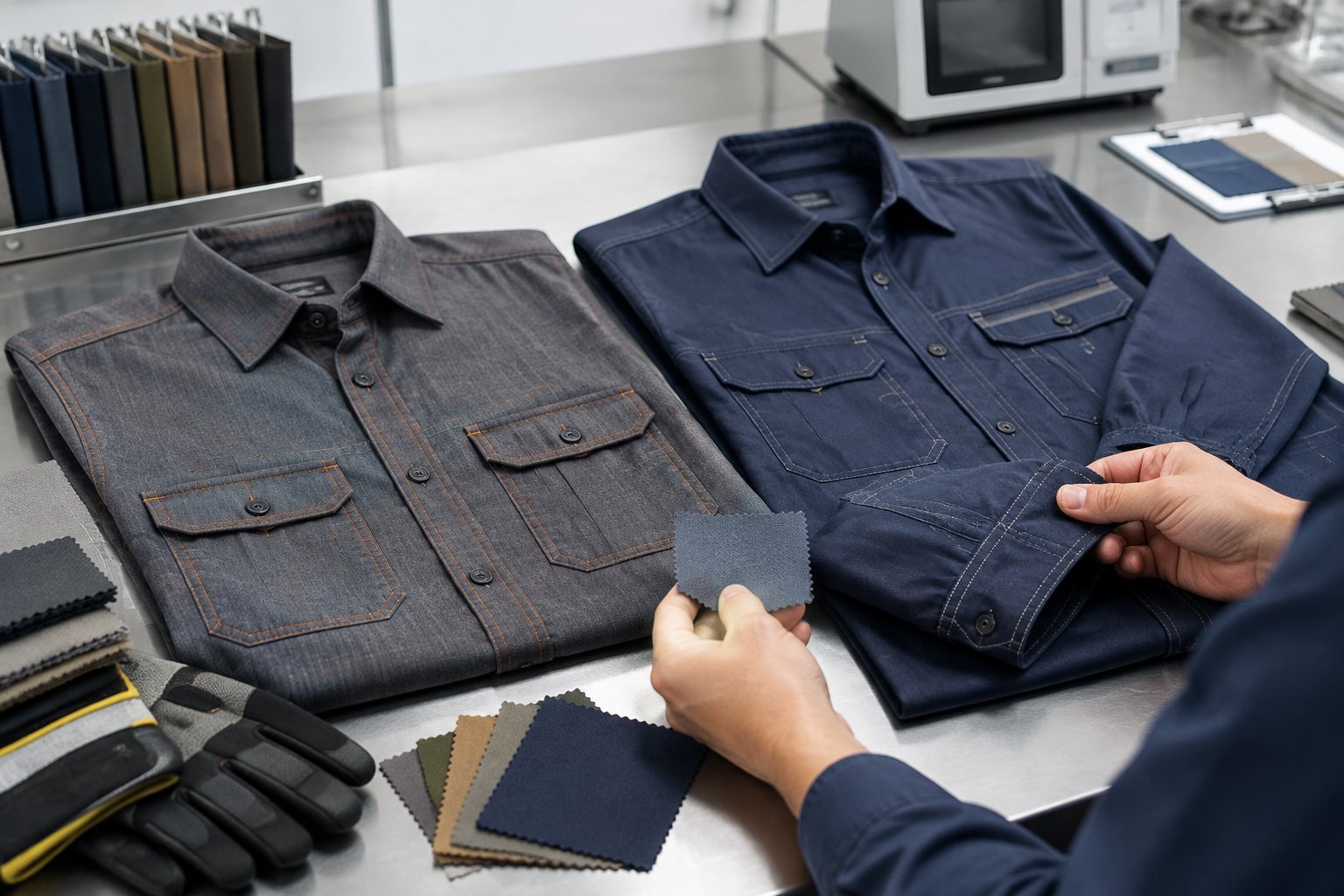
FR finishing and customization make the completed textile the correct approval unit. Every additional treatment needs consideration within the intended performance specification.
Evaluate the Finished Fabric Rather Than the Blend Alone
FR treatment affects the fabric beyond its response to flame. Handle and mechanical performance also require review after processing.
The appropriate comparison therefore uses complete production specifications for both candidates. Relevant fabric finishes belong in the approval record, together with any permitted changes. A substitute softener or revised treatment should trigger a documented review of whether further testing is necessary.
Assess FR Plus Water-, Oil- or Chemical-Repellent Requirements
Levitex offers FR plus water-repellent and FR plus oil-repellent finishing on 100% cotton, cotton/nylon, and cotton-rich CVC base fabrics. The company also produces chemical-repellent fabrics through post-treatment finishing on these families.
Water repellency concerns surface wetting; waterproof performance requires different evidence. Similarly, cotton’s response to oils and chemicals requires attention to the particular liquid and treatment.
Chemical-repellent textiles provide liquid repellency. Barrier-based chemical-resistant protection has different requirements and test evidence. Buyers should identify the chemical, concentration, and expected exposure before specifying a finish.
Approve Dyeing and Printing on the Actual Finished Construction
Cotton and polyester use different dyeing approaches, which affects shade development for CVC. A cotton lab dip cannot establish the final appearance of a cotton-polyester blend.
Levitex provides custom dyeing and custom printing. Approval should use the intended construction and account for the completed FR process, especially when the shade standard is demanding.
For screen printing, the ink system and curing conditions require review alongside print quality. Polyester dye migration and changes caused by curing deserve attention, and protective-workwear evidence must cover any relevant effect of the decoration.
Distinguish Fabric Test Evidence From Garment-Level Requirements
Fabric reports establish results for the identified textile under the stated methods. Finished protective clothing also introduces seams and closures, as well as trims or decoration.
Those garment-level requirements belong to the garment manufacturer’s development and conformity process. Levitex supplies textiles; its fabric evidence supports that process within the scope of each report. For U.S. programs, the buyer’s hazard assessment should identify the applicable protective-clothing requirements before fabric approval.
What Drives Purchase Price and Lifetime Value?
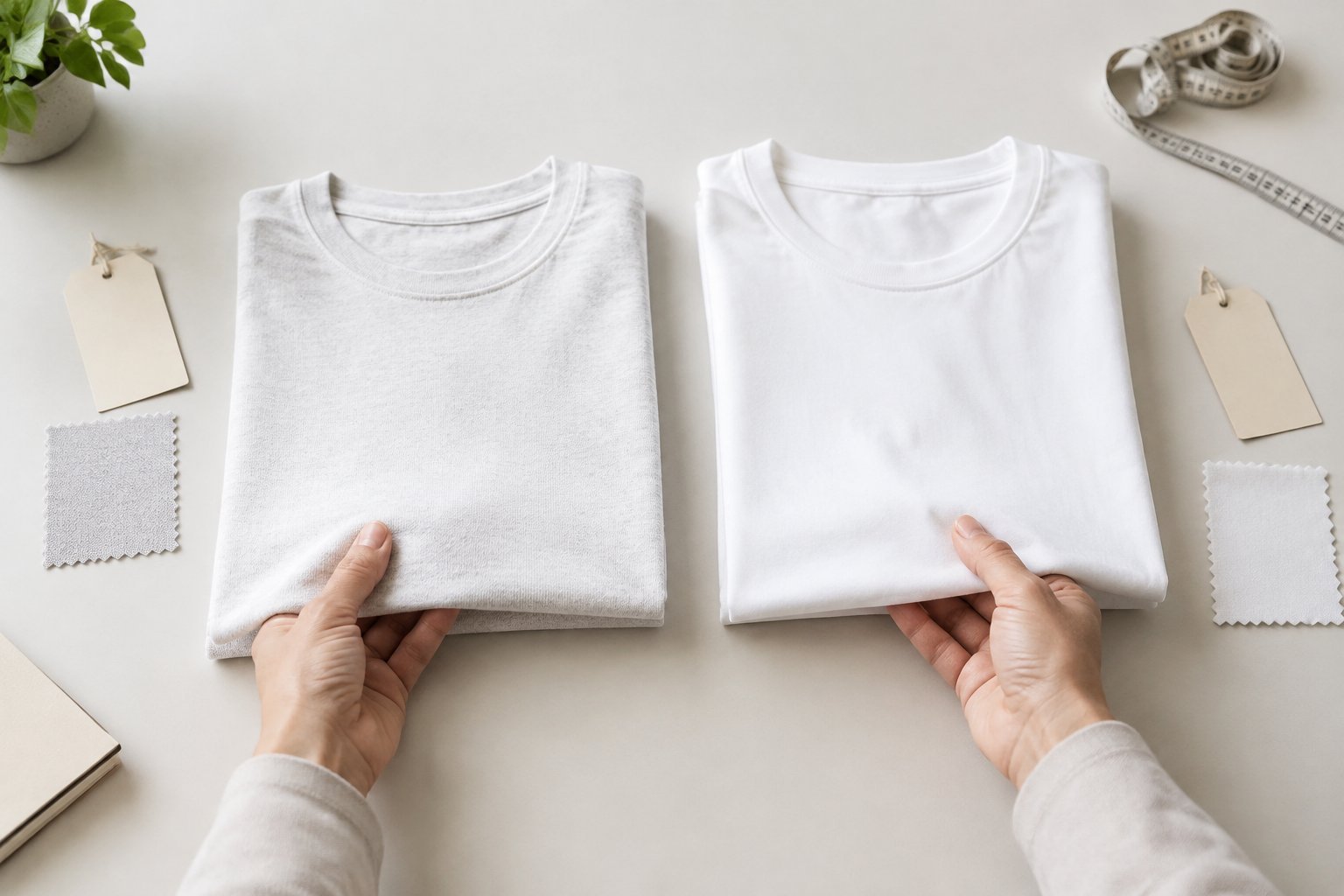
Purchase price reflects the complete manufacturing specification, while lifetime value includes maintenance and replacement. CVC’s polyester content does not establish a lower finished FR price.
Compare Yarn, Construction, Dyeing and Finishing Costs
Cotton-rich CVC and 100% cotton use different raw-material combinations, but fiber cost is only part of the quotation. Yarn quality and construction influence production cost before dyeing begins.
CVC also requires dyeing appropriate to both fiber components. FR processing and any additional repellency treatment add further cost.
Comparable quotations should state the same commercial unit and finished usable width. Fabric priced per meter at different widths produces a misleading cost comparison for garment cutting.
Include Testing, Order Quantity and Delivery Requirements
Testing scope belongs in the commercial discussion early. Development testing and additional laundering evaluations create costs that should be assigned explicitly in the quotation.
Order quantity should be broken down by color and construction. Small quantities across several shades create a different manufacturing requirement from a single-color order of the same total length.
Delivery comparisons should also use the same named trade term and location. Freight, packaging, and inspection responsibilities affect the buyer’s landed cost independently of composition.
Assess Maintenance and Replacement Without Assuming a Wash Life
Service life requires evidence from the intended care system and actual use. A generic wash-count claim does not establish when a particular FR textile should be replaced.
Correct laundering of flame-resistant workwear follows the instructions established for the approved product. Buyers should account for cleaning expense and the practical handling of contaminated garments.
Replacement records should distinguish physical damage from unacceptable dimensional change or protective-performance concerns. This gives procurement teams a usable basis for comparing future orders.
How Should Buyers Select and Specify Fabric With Levitex?

Buyers should select the base family through a requirements matrix, then agree on measurable acceptance criteria with Levitex. The resulting specification should connect the approved sample to production and test evidence.
Use a Selection Matrix for Comfort, Maintenance and Verified Protection Needs
A practical selection matrix assigns each program priority a starting candidate and an evidence requirement:
- Cotton absorbency and hand: Start with 100% cotton FR; approve handle on the finished sample.
- Reduced creasing and dimensional movement: Start with CVC FR; compare results after the intended laundering.
- High mechanical wear: Shortlist both; assess abrasion and strength against the specified methods.
- Heat or flame hazards: Retain only candidates with relevant protective-performance evidence.
- Lowest program cost: Compare landed fabric cost with documented maintenance and replacement experience.
Selecting fabric for industrial workwear also requires compatibility with the garment’s construction. A buyer’s scoring system should treat required protection as a pass condition before ranking comfort or price.
Consider C/N Only When a Third Fabric Option Is Needed
Cotton/nylon (C/N) provides a third option when the initial comparison leaves an unresolved requirement. Levitex includes C/N within its industrial FR fabric families.
Its introduction should follow a specific development question, such as a mechanical-performance target. Buyers should request the actual composition and construction, then assess the corresponding reports. Nylon content alone establishes neither improved arc performance nor longer service life.
Build an RFQ Checklist for Composition, Construction, Finish and Test Scope
A complete RFQ gives Levitex enough detail to review the requested textile:
- Intended industrial application and identified hazards.
- Exact fiber composition and permitted tolerances.
- Woven or knitted construction, including relevant structural details.
- Finished weight, usable width, and agreed measurement tolerances.
- Color standard, printing requirements, and approval procedure.
- FR treatment requirements and any additional repellency.
- Required test methods, pretreatment, and report scope.
- Dimensional-change limits and mechanical acceptance criteria.
- Order quantity by color, delivery location, and commercial terms.
- Sample requirements and proposed bulk acceptance procedure.
Buyers seeking a specification review should send the intended application, composition, weight, color, order quantity, and required test evidence to Charlie@levitex.com. Any unresolved requirement should remain explicit in the RFQ.
Align Samples, Product Reports and Bulk Acceptance Criteria
The approved sample should carry an identifiable fabric reference and revision. Shade approval, handle approval, and protective testing should each have a clear record because they address different acceptance questions.
Levitex states that each product has a test report. Buyers should confirm the methods and sample identity relevant to their chosen product before approval.
Documented FR fabric quality control should connect bulk inspection with the agreed specification. The purchasing agreement should also define how deviations are reported and who authorizes acceptance or corrective action.
Choose the Finished Fabric That Meets Your Workwear Specification
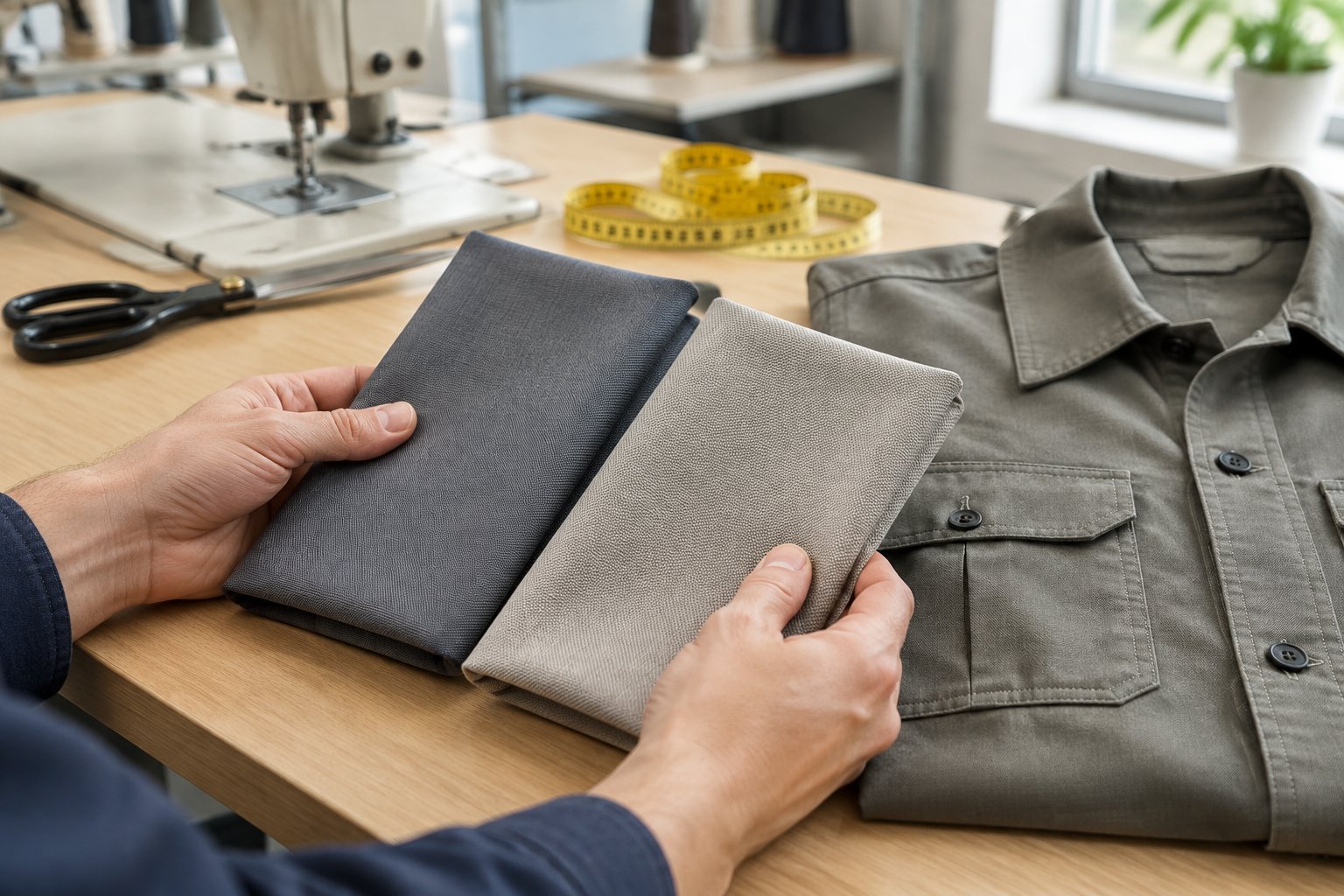
CVC fabric offers a useful starting point for maintenance-focused industrial programs, while 100% cotton fabric supports buyers prioritizing absorbency and cotton hand. Their suitability for protective workwear rests on the finished construction and relevant evidence.
A sound purchase decision follows matched samples through the intended care conditions. Comfort and dimensional results belong alongside mechanical requirements, with protective performance treated as an essential acceptance condition.
Before bulk approval, the buyer should align the fabric reference, finished specification, report scope, and inspection criteria. That record gives Levitex and the purchasing team a defined basis for production acceptance.
Frequently Asked Questions
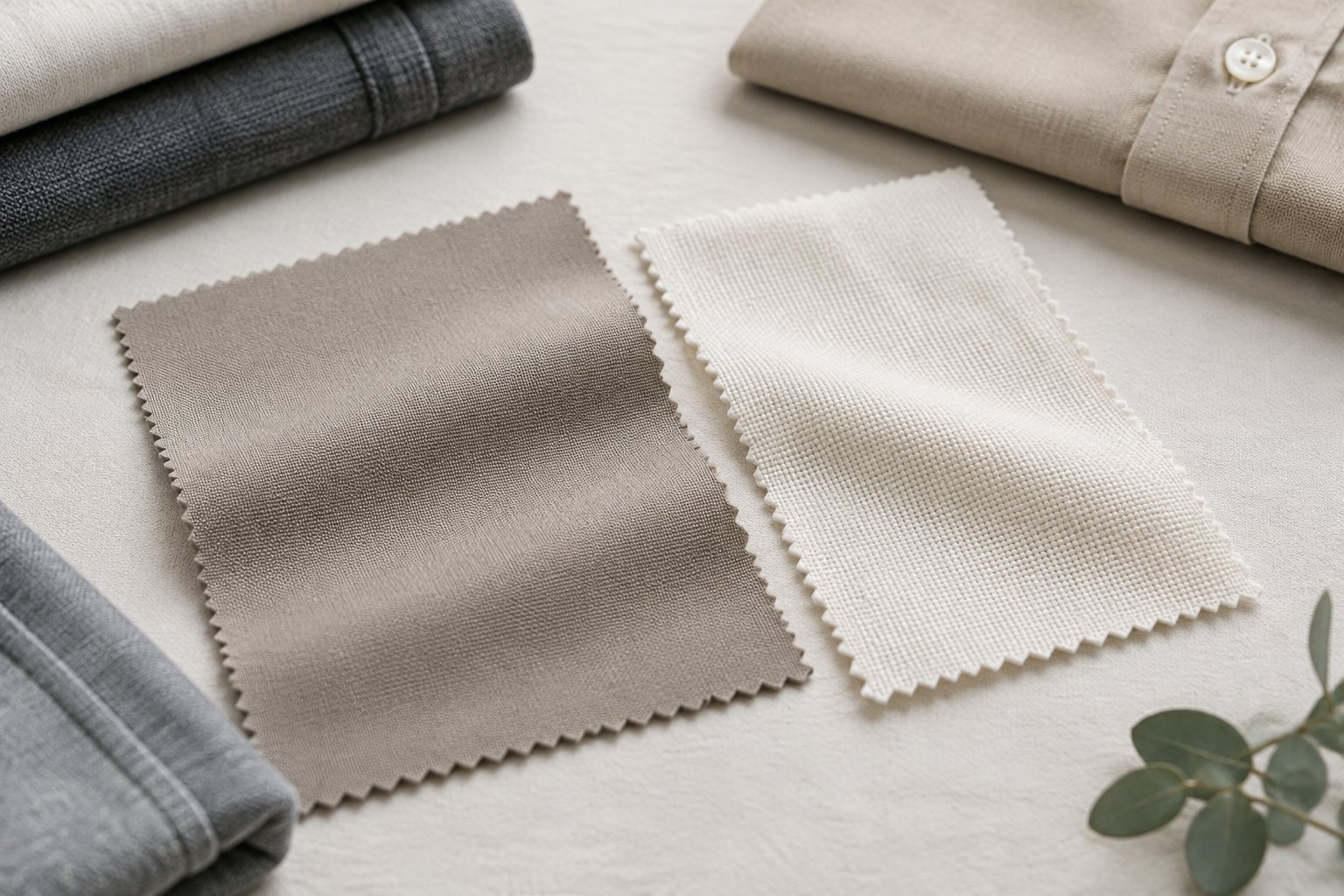
CVC and cotton FR purchasing questions are best resolved through product-specific evidence. The answers below distinguish useful composition tendencies from requirements that need testing.
Is CVC fabric a good choice for industrial FR uniforms?
CVC fabric is a suitable candidate for industrial FR uniforms when the finished textile meets the specified hazards and care requirements. Its polyester content supports shape retention, while the exact blend and construction determine the evidence needed for approval.
Does CVC FR fabric shrink less than 100% cotton FR fabric?
CVC’s polyester portion supports shrink resistance, but a lower result requires comparison under matched laundering conditions. Buyers should specify acceptable lengthwise and widthwise dimensional change for both finished fabrics.
Is 100% cotton FR fabric always more breathable than CVC FR fabric?
Fiber composition alone does not determine breathability. Air permeability also reflects construction and finishing, so a breathable-uniform requirement needs measurements from the actual finished candidates.
Can both fabrics receive water- or oil-repellent finishing?
Levitex offers FR plus water-repellent and FR plus oil-repellent finishing on both 100% cotton and cotton-rich CVC fabrics. Buyers should specify the required repellency evidence and laundering conditions for the combined finish.
Can fabric composition alone establish flame or arc protection?
Flame and arc protection require relevant test evidence for the identified material. Arc-rated fabric requires arc-specific evidence, and a general FR description or cotton-rich composition establishes no arc rating.