
Industrial textile buyers approve custom dyeing and printing on FR fabric by signing off on finished, production-representative color or print samples and verifying the relevant protection evidence before bulk release. Approval should connect the accepted appearance to a defined fabric specification, manufacturing route, and traceable batch.
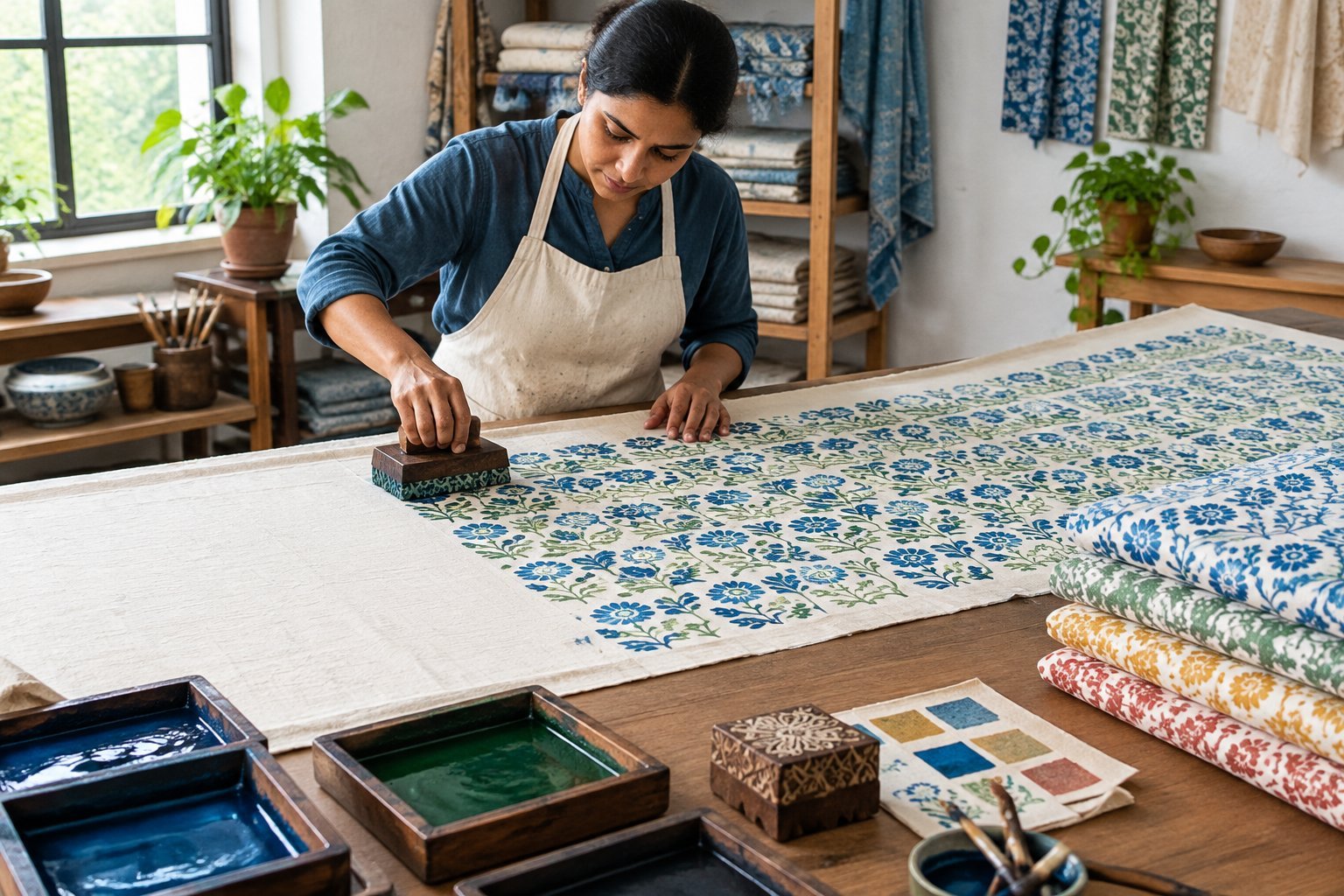
Levitex manufactures flame-resistant textiles and offers custom dyeing and printing for industrial workwear applications. A practical approval process gives buyers control over shade and printed appearance while keeping protective performance tied to the finished material.
Color development and protection review require separate acceptance decisions. A visually successful sample establishes an appearance reference; its protection status requires applicable product-specific evidence.
Which Fabric, Dye and Print Combinations Are Compatible?
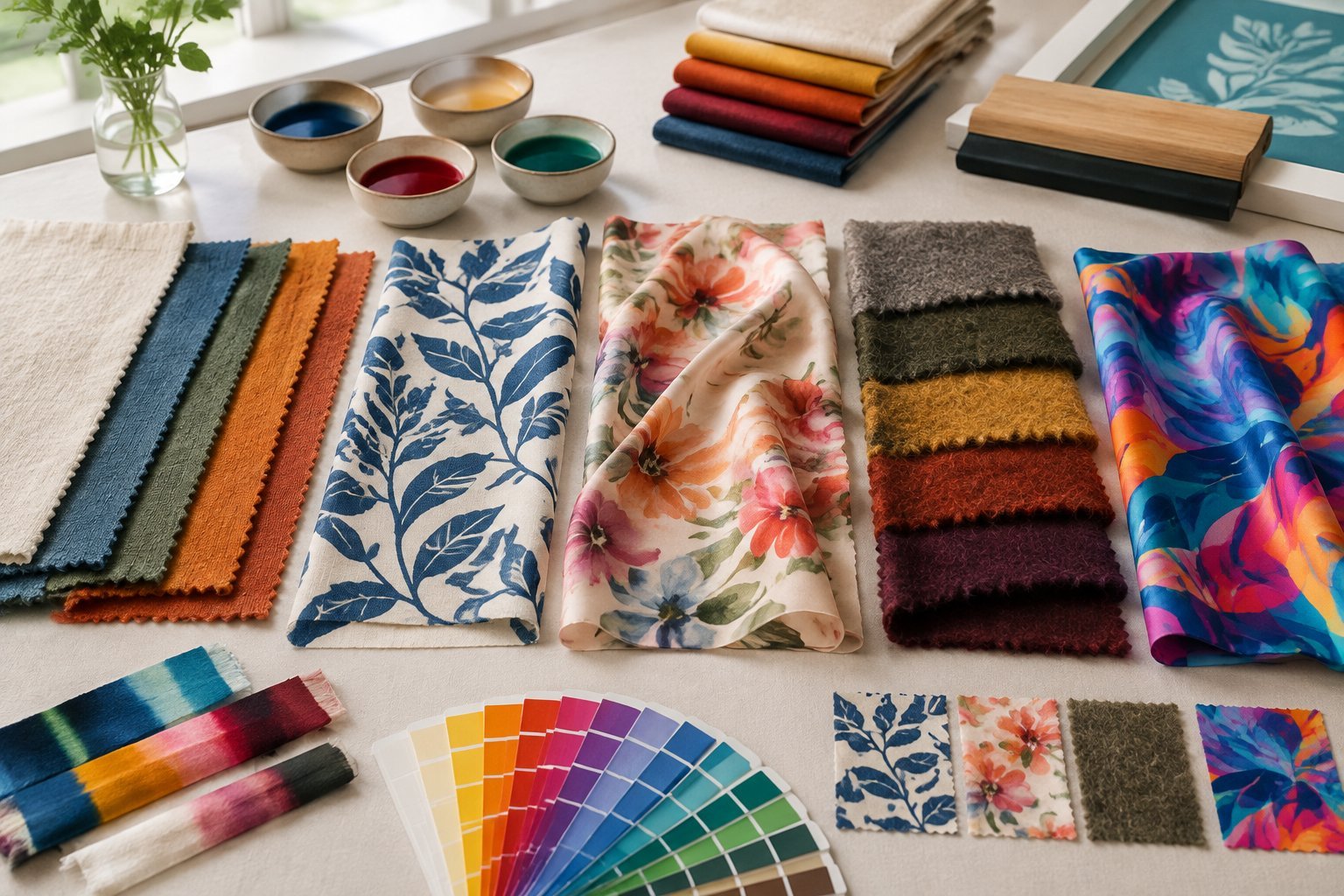
Compatibility requires a colorant and print system suited to the specified fiber blend and validated through the intended finishing route. The approval specification should identify the substrate before color development begins.
Match Colourants and Print Systems to Cotton, C/N and CVC Bases
Levitex’s base-fabric families include 100% cotton, cotton/nylon (C/N), and cotton-rich cotton/polyester (CVC). Each requires a formulation appropriate to its fiber content and finished-performance requirements.
Reactive dyes are one established option for coloring cotton. Blends introduce additional considerations: nylon and polyester respond differently to dye chemistry, so the mill must define how each fiber component contributes to the finished shade.
The properties of cotton/nylon blends also reflect their construction and finishing. A shade approved on pure cotton therefore needs fresh evaluation when transferred to a C/N base.
The development record should specify composition, construction, finished weight, and surface preparation. These details help explain differences in color depth or print definition between samples.
Assess Screen Printing and Other Proposed Methods Without Assuming Availability
Screen printing transfers a prepared print formulation through patterned screens. Its suitability for FR fabric requires review of the colorant, binder where used, fixation conditions, and deposited amount.
Other proposed fabric printing methods need the same technical review. A method’s availability for ordinary custom fabric does not establish its suitability for protective textiles or its availability from a particular manufacturer.
Levitex offers custom printing; the proposed production method should be confirmed during technical review. A sample produced by a different method requires a documented explanation of how it represents bulk fabric printing.
Check Compatibility with FR and Additional Repellent Finishes
The complete finishing package belongs in the development brief. Multi-functional FR finishing compatibility requires evaluation of interactions between the color system and every specified treatment.
Levitex offers FR plus water-repellent and FR plus oil-repellent finishing on all three base-fabric families. The selected combination still needs product-specific acceptance criteria and supporting reports.
For water-repellent FR finishing, surface wetting and print adhesion deserve particular attention during development. The mill should establish and document the process sequence for the selected chemistry; a universal dyeing, printing, and finishing order would oversimplify these interactions.
How Do You Approve Lab Dips and Print Strike-Offs?
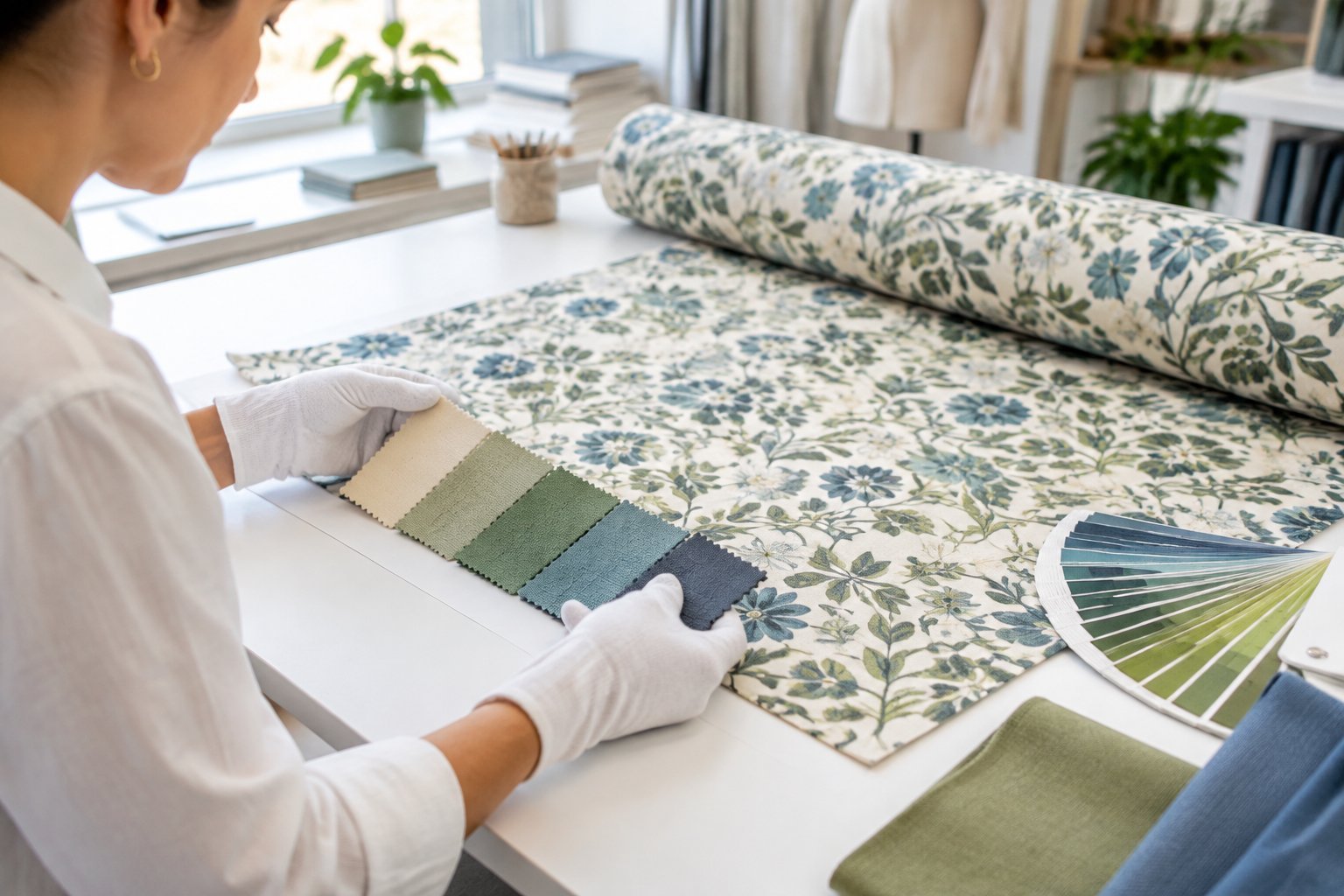
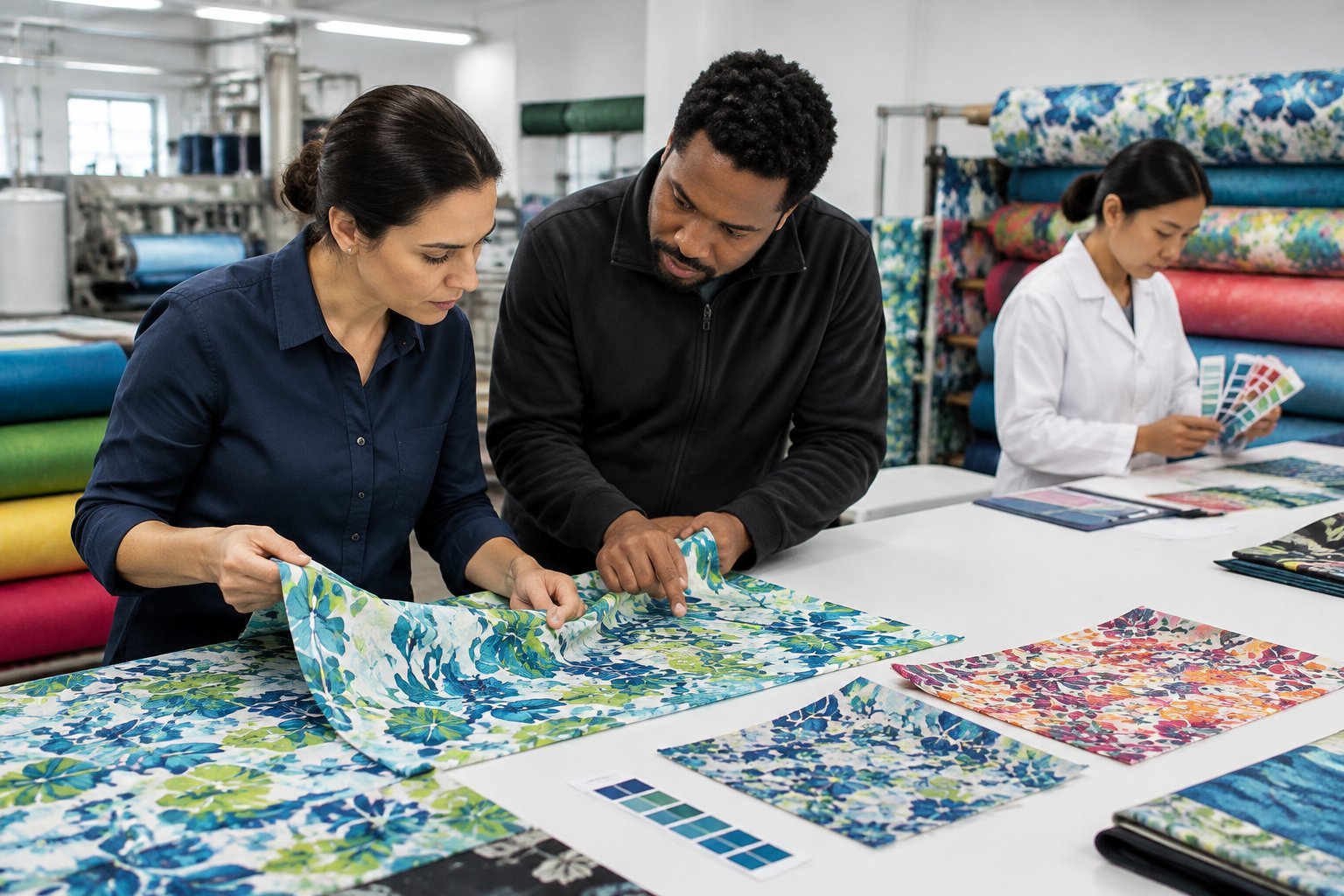
Lab dips establish the shade direction, while print strike-offs establish the printed appearance on the specified fabric. Approval becomes reproducible when both parties retain identified physical standards and agree on viewing conditions.
Use Lab Dips for Shade and Strike-Offs for Printed Appearance
A lab dip is a small dyed sample submitted for color assessment. It helps select or adjust a dye formulation before production-scale dyeing.
A strike-off is a printed sample submitted to assess the artwork on fabric. It reveals relationships between the ground shade and printed colors, including edge definition and overlapping areas.
Each submission should state its processing stage. When later fabric finishes affect appearance, the approval record should distinguish preliminary color acceptance from acceptance of the finished sample. A digital artwork preview provides layout information; the physical strike-off supplies the fabric-based reference.
Agree on Lighting, Colour References and Shade Tolerance
The buyer and mill should identify the governing color reference, whether a physical master, a specified textile color standard, or an approved lab dip. Screen displays introduce differences that make emailed images unsuitable as the sole shade standard.
The written agreement should establish:
- The primary viewing light and any secondary lighting.
- Sample conditioning and presentation.
- The instrumental color-difference formula and agreed tolerance, if used.
- Visual acceptance responsibility.
- Separate limits for master-to-bulk and within-lot variation.
A numeric shade tolerance needs a named measurement method. Metamerism also deserves review: samples that match under one light source sometimes separate visibly under another.
Approve Repeat Size, Registration, Coverage and Fabric Handle
Print approval should record the artwork revision and physical dimensions of the repeat. Orientation and usable printed width also belong on the signed strike-off record.
Registration describes alignment between printed colors. Inspection should include fine outlines, intersections, and light areas adjacent to dark colors, where misalignment is easiest to detect.
Coverage requires special attention because a small motif and a broad printed panel place different amounts of print formulation on the fabric. The buyer should also assess fabric handle, surface tack, and stiffness after the intended finishing route. Any appearance or handle requirement after laundering should be stated separately.
What Must the Bulk Approval Checklist Verify?
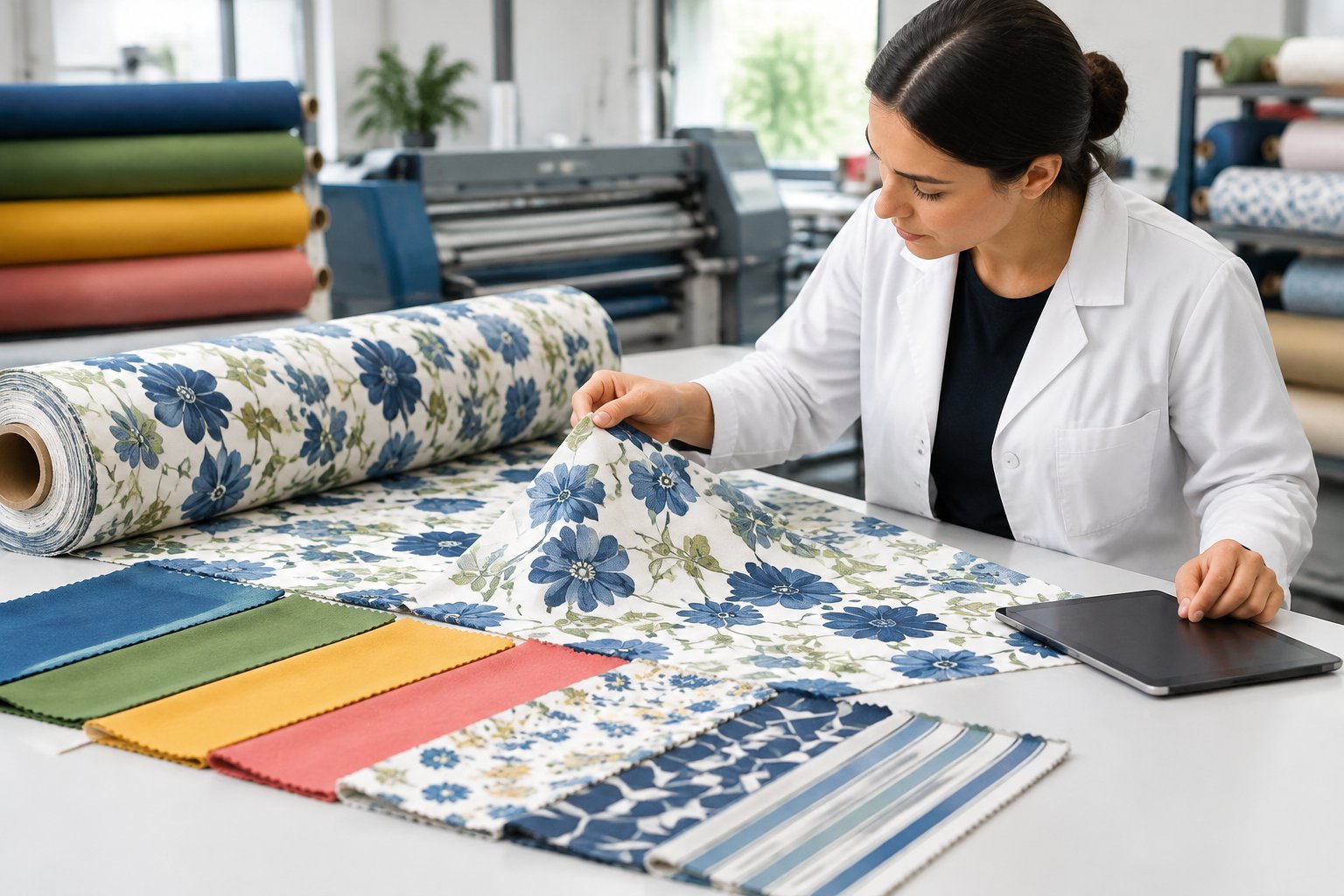
Bulk approval must verify that production matches the retained appearance standard and the agreed technical specification. A production approval checklist should move through sample identification, comparison, report review, and authorized release.
Confirm That Approval Samples Represent the Finished Production Route
The bulk submission should identify the actual substrate and the processing route used. Its sample record needs the dye lot or print batch, finishing status, and any differences from the approved development sample.
For wholesale fabric orders, sampling should address variation across width and along production length. The sampling plan should define which rolls and positions require inspection.
A practical FR fabric quality-control workflow begins by checking sample identity against the order specification. If the submission precedes a finishing operation, its approval should explicitly remain limited to that stage.
Compare Bulk Shade and Print Quality with the Retained Standard
The retained standard should carry an approval date and revision identifier. Both parties need matching reference samples stored to limit contamination and light exposure.
Bulk inspection should check:
- Shade against the approved master.
- Side-to-center and end-to-end color variation.
- Repeat dimensions and pattern alignment.
- Registration, missing print, and unwanted marks.
- Finished width, weight, and fabric handle.
- Agreed washing and rubbing colorfastness requirements.
Fabric printing services should report deviations against the purchase specification. Buyer acceptance should identify the affected lot and the exact characteristic accepted.
Review Relevant Protection Reports and Agreed Laundering Conditions
Protection review should connect the report’s sample description to the supplied material. Relevant fields include composition, construction, color or print description, finishing treatment, test method, and pretreatment.
The scope of flame-retardant certification and test evidence needs careful separation from appearance approval. A report for an earlier or different material requires a documented technical basis before it supports the current order.
The specified laundering conditions for FR textiles should identify washing and drying procedures, along with any permitted replenishment treatment. Product-specific reports determine the applicable tested conditions.
For US buyers, the contract should name the relevant end-use requirements. Garment-level conformity remains a separate responsibility involving the finished garment and its components.
Record Acceptance Criteria, Batch Traceability and Release Authority
A usable release record links every decision to the production batch. The checklist should capture the following:
| Approval checkpoint | Required record |
|---|---|
| Order identity | Fabric specification and purchase-order revision |
| Appearance reference | Signed lab dip or strike-off identifier |
| Production identity | Dye lot, print batch, finishing batch, and roll references |
| Inspection outcome | Results against agreed tolerances |
| Protection evidence | Applicable report identifiers and technical review |
| Deviations | Written disposition and affected quantity |
| Release | Authorized approver, date, and shipment status |
Approval authority should be agreed before production. A color approval from a design contact grants only the authority assigned to that contact; technical release requires the designated quality or protection reviewer’s acceptance.
When Do Changes Require Reassessment?
Reassessment is required whenever a proposed change moves production beyond the documented approval scope. Change control should classify the technical effect before substitution reaches bulk manufacturing.
Review Changes to Substrate, Colourants, Print Coverage and Finishing
The change register should cover fiber blend, yarn specification, fabric construction, and finished weight. A fabric weight specification helps identify material changes, although weight alone establishes neither equivalent appearance nor equivalent protection.
Color-related triggers include a different dye formulation, print paste, binder, or auxiliary. Artwork changes also require review when they alter printed area or deposit.
Finishing changes deserve equal scrutiny. A revised FR formulation, added repellent treatment, different cure condition, or altered process sequence changes the manufacturing record that supported the original approval.
Determine Whether Appearance Checks or Protection Retesting Are Needed
The technical reviewer should compare the proposed change with existing evidence and applicable standard requirements. The decision should state whether visual reassessment is sufficient or whether protection testing is required.
An artwork orientation change with unchanged chemistry and coverage calls for a different assessment from a new binder or finishing formulation. The review should address the actual mechanism of change and the scope of the supporting reports.
Additional functional claims require their own consideration. For example, oil-repellent fabric testing evaluates a separate property whose acceptance criteria belong alongside the relevant FR requirements. Existing approval should extend only as far as the documented evidence supports.
Document Deviations and Obtain Approval Before Substitution
A deviation request should identify the original requirement and proposed replacement. It should also state the reason for the change and the production quantity affected.
Supporting information should include revised sample references, expected technical effects, and the proposed inspection or testing plan. Production status should remain explicit while the request is under review.
Written authorization should precede implementation. A temporary concession needs a defined lot or quantity limit so it does not become the specification for subsequent orders.
Approve Appearance and Protection Together

Reliable approval connects a retained appearance standard with a defined production route and relevant protection evidence. Levitex’s custom dyeing and printing services support this process at the textile level for industrial protective-workwear applications.
Buyers preparing a development request are invited to send their base-cloth requirements, color reference or artwork, quantity, and required tests to Sales Manager Charlie Luo at Charlie@levitex.com. The request should identify additional finishes and the person authorized to approve samples and technical release.
Frequently Asked Questions

Sample approval establishes a controlled reference for subsequent production decisions. Customer service coordination should keep commercial requests connected to the relevant technical approval records.
What is the difference between a lab dip and a print strike-off?
A lab dip evaluates a dyed shade, while a print strike-off evaluates artwork printed on fabric. Each submission should identify its substrate and finishing stage so its approval scope remains clear.
Does an approved colour sample prove that fabric remains flame resistant?
An approved color sample proves acceptance of its appearance only. Flame-resistant performance requires applicable evidence linked to the finished material and its specified processing conditions.
Can screen printing affect the protection of FR fabric?
Screen printing introduces a formulation and processing conditions that require compatibility assessment with the FR fabric. Binder chemistry, printed coverage, and curing conditions determine which technical checks are needed.
Does changing a print colour require new approval?
A changed print color requires documented review and renewed appearance approval. The technical reviewer should also determine whether the formulation change requires protection retesting or other supporting evidence.
What should I send Levitex to begin a custom dyeing or printing approval?
The initial request should include base-cloth requirements, a color reference or artwork with dimensions, order quantity, and required tests. Additional finishes and intended laundering conditions help Levitex define the sample submission and approval scope.