
You get the most from cotton workwear fabric in everyday industrial shirts, pants, and coveralls when you want an absorbent, breathable material with durability matched to the job through its yarn, weave, and weight. A lighter shirt construction supports ventilation, while a denser twill or canvas gives you more substance for demanding wear.
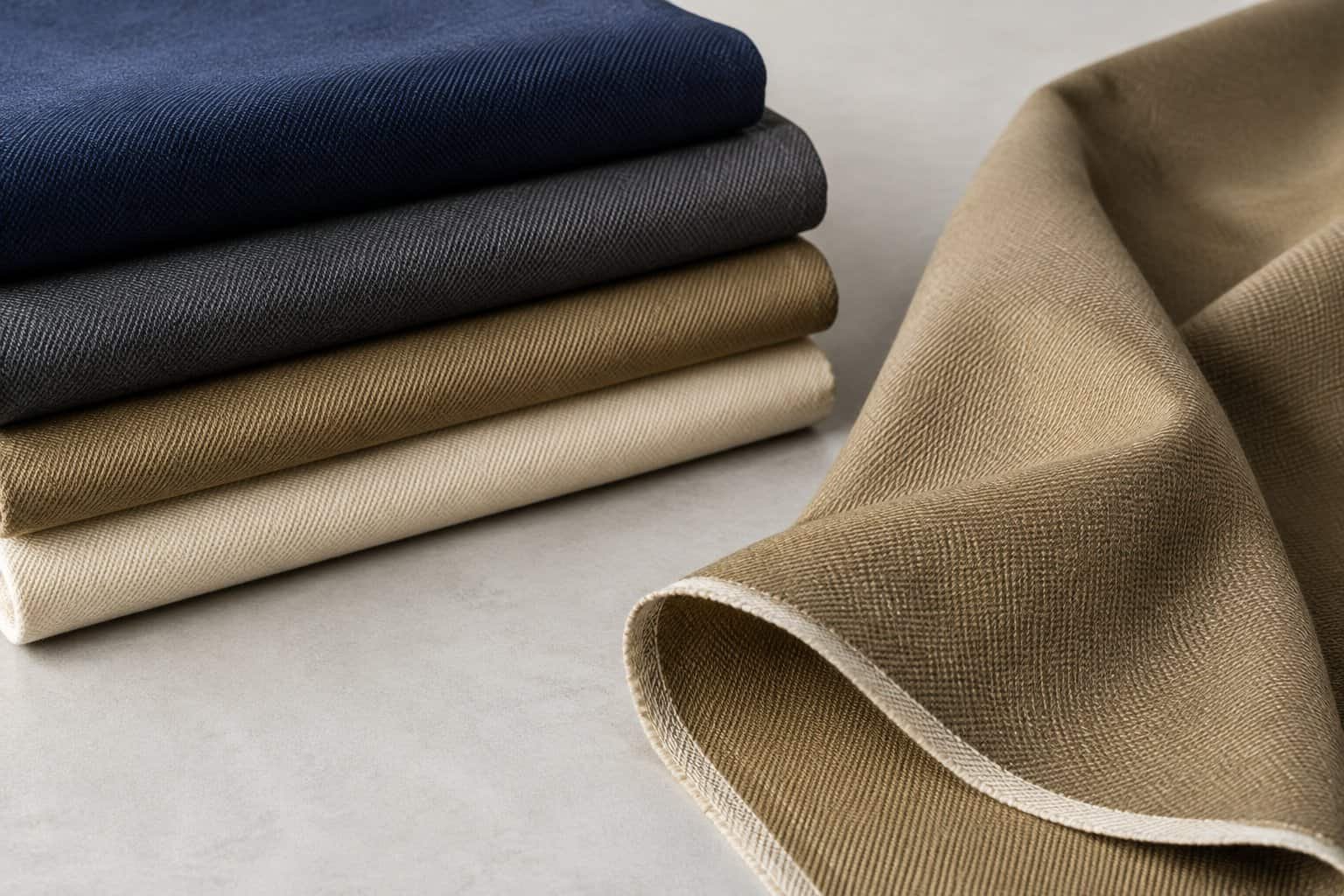
Your results also depend on garment fit and laundering. Cotton absorbs perspiration, but retained moisture affects drying time and comfort. By checking samples against your working conditions and wash routine, you can select fabric that stays practical through repeated use.
How Does Cotton Handle Comfort and Sweat?
You get useful moisture absorption from cotton, while your airflow and drying performance depend on fabric construction. Your comfort changes as perspiration accumulates, especially under protective layers or in humid conditions.
Breathability Depends on Fabric Construction and Fit
You should assess breathability through the finished garment, including its fabric density and ventilation. A tightly woven cotton canvas restricts airflow more than an open, lightweight shirt fabric. Heavy finishes and multiple garment layers further affect heat release.
Your fit assessment should include reaching and bending. Allow enough room for movement and air circulation while keeping sleeves and loose fabric clear of machinery. When selecting work pants for hot weather, examine pocket layers and reinforcement panels as well as the main fabric.
Sweat Absorption Is Not the Same as Wicking
You benefit from cotton’s ability to absorb moisture into its fibers, which helps take up perspiration at the skin. Wicking describes moisture movement through a fabric, while drying describes its release into the surrounding air. These are separate performance characteristics.
If you need moisture-management performance, request evidence for the specific construction and finish. A cotton label alone gives you no measured wicking rate. Evaluate how the fabric feels after sustained activity, including areas beneath a vest or harness.
Why Wet Cotton Can Feel Heavy and Dry Slowly
You carry extra water weight once cotton becomes saturated with sweat or rain. Retained moisture also encourages fabric to cling, reducing the comfortable air space between your clothing and skin. In humid or still air, evaporation slows further.
For work involving sustained perspiration, include drying time in your sample assessment. Check how damp fabric feels during breaks and temperature changes. In cold or windy conditions, arrange suitable weather protection and access to dry clothing.
What Makes Cotton Durable Enough for Workwear?
Your cotton workwear gains durability from its complete construction and maintenance routine. Fabric weight contributes to performance, but abrasion resistance and tear strength require separate assessment.
How Yarn, Weave, and Weight Affect Strength and Abrasion
You should compare yarn quality and construction alongside fabric weight. Yarn strength and twist affect how well the cloth withstands repeated friction. Weave density changes surface exposure and the way forces move through the material.
For your garments, cotton twill offers a flexible option for uniforms and pants, while duck canvas provides a firmer structure for jackets or reinforced areas. Denim offers another twill construction for demanding everyday wear. Request abrasion, tensile, and tear results because each test measures a different failure mechanism.
You should also examine surface wear after laundering. Repeated use and home washing can raise surface fibers through abrasion, weakening the fabric and making its appearance look faded.
Shrinkage, Wrinkles, and the Effects of Repeated Washing
You should allow for cotton’s dimensional changes when setting garment measurements. Washing relaxes stresses introduced during textile production, while drying conditions influence the finished dimensions. Preshrinking reduces residual shrinkage, but your intended wash process still needs verification.
Your cotton garments also need a realistic appearance standard. Wrinkling is part of untreated cotton’s behavior, and easy-care finishes alter the balance between appearance and mechanical performance. Check crease recovery together with strength after repeated laundering.
Care Practices That Help Preserve Fabric Performance
You preserve useful service life by following the fabric or garment care instructions and removing contamination promptly. Match detergent and drying settings to the approved process. Excessive heat and unsuitable cleaning chemicals increase the risk of damage.
For your uniform program, define inspection and replacement criteria before rollout. Check thinning knees, frayed cuffs, damaged seams, and persistent contamination. Your fabric quality requirements should include performance after washing as well as acceptance of new cloth.
When Is a Cotton Blend Preferable?
You should consider a cotton-rich blend when faster drying or stable garment dimensions are important purchasing requirements. The added fiber changes performance, so compare finished samples under the same conditions.
Balancing Cotton Comfort with Drying Speed and Shape Retention
You gain different trade-offs by combining cotton with polyester or nylon. Polyester contributes low moisture absorption and dimensional stability; nylon supports abrasion performance in suitable constructions. Your results depend on the actual blend and finishing process.
When weighing cotton versus polyester, use comparable fabric weights and garment designs. The following gives you a starting point for sample selection:
| Your selection priority | 100% cotton | Cotton-polyester blend |
|---|---|---|
| Moisture absorption | Absorbent fibers | Reduced with added polyester |
| Drying behavior | Retains absorbed water | Faster with comparable construction |
| Wrinkle recovery | Lower without finishing | Improved with suitable construction |
| Dimensional stability | Requires shrinkage control | Improved with suitable construction |
Keep your inquiry focused on cotton and cotton-rich options. If your requirements extend beyond those materials, broaden your workwear fabric comparison before approving a composition.
Limits in Wet Weather and Hot Working Conditions
You need separate weather protection for sustained rain exposure. Untreated cotton absorbs water, and a repellent finish provides a different level of protection from a waterproof barrier. Your specification should distinguish waterproofing, water resistance, and repellency.
In hot workplaces, assess workload and humidity alongside clothing. A lightweight cotton shirt still accumulates moisture when sweating exceeds evaporation. Your heat-safety program should address ventilation, hydration, rest breaks, and any required protective layers.
Ordinary Cotton vs. Tested Flame-Retardant Cotton
You need treated, tested cotton and an appropriate garment whenever your hazard assessment requires flame-resistant protection. Fiber content alone establishes neither flame resistance nor an arc rating.
Why Non-Melting Cotton Is Not Automatically Flame Resistant
You should treat ordinary cotton as combustible. Although it does not melt like conventional thermoplastic fibers, sufficient heat or flame can ignite it and sustain burning. Its natural-fiber composition gives you no assurance of self-extinguishing behavior.
With flame-retardant-treated fabric, you need documentation identifying the treatment system and tested performance. Confirm the fabric reference and laundering conditions covered by the report. Visual similarity between two cotton fabrics provides no reliable indication of their protective properties.
Matching Treated Fabrics and Garments to Welding and Arc Hazards
You must match protective clothing to the identified exposure. Welding introduces sparks, spatter, radiant heat, and coverage requirements. Electrical arc exposure requires arc-rated clothing selected through the applicable workplace assessment.
For electrical work, your safety team should apply NFPA 70E requirements and verify relevant garment documentation, including ASTM F1506 where applicable. For welding, assess the process and exposure severity when selecting garments and supplementary protection. Include materials unsuitable for welding in your purchasing exclusions.
Your approval must also cover the finished garment. Closures and seams affect protection, as do coverage and compatible layers. A fabric test report alone does not establish suitability for every garment design.
Following Fabric-Specific FR Laundering Instructions
You should use the care procedure issued for your exact FR fabric or garment. Approved detergents, wash temperatures, and drying conditions differ between systems. Restrictions on bleach, softeners, or other additives must follow that documentation.
Keep your FR laundering instructions available to employees and commercial laundries. Remove combustible contamination using the approved process and inspect garments before reuse. Seek manufacturer guidance when damage or persistent residues affect continued service.
What Should Buyers Specify and Test?
You should turn your intended use and laundering process into a written specification before ordering bulk fabric. Your approval should connect measurable requirements with identified samples and applicable test reports.
Define the Job, Garment, Composition, Weave, and Weight
You need a specification detailed enough for consistent production and repeat orders. Start with the working environment, including mechanical wear and any protective-clothing requirements. Identify whether you are producing shirts, pants, jackets, or coveralls.
Your fabric brief should include:
- Fiber composition and permitted tolerances.
- Weave, yarn details, and construction density.
- Fabric weight in GSM or oz/yd², with the measurement basis stated.
- Usable width and acceptable dimensional variation.
- Color reference and shade tolerance.
- Required finishes and intended laundering procedure.
- Garment movement, seam, and reinforcement requirements.
Give each approved construction a unique reference. This helps you distinguish fabrics that share a color or trade description but differ in performance.
Request Samples and Verify Shrinkage, Colorfastness, and Wash Performance
You should wash representative samples using the process your garments will receive. Record dimensions before laundering and after the agreed conditioning period. Measure both lengthwise and widthwise changes, then check garment fit after repeated cycles.
Your test plan should also cover colorfastness to washing and rubbing. Include perspiration or light exposure when relevant to the job. Dark shades deserve particular attention where fabric rubs against skin, upholstery, or lighter uniform panels.
Retain an approved sample for bulk comparison. Check hand feel and appearance alongside strength after washing. A sample garment also helps you identify seam puckering and movement restrictions that flat swatches leave unresolved.
Confirm Protective Finishes, Test Reports, and Customization Requirements
You should verify that every protective claim applies to the fabric you are buying. Reports need a traceable fabric identity, test method, result, and pretreatment history. For FR orders, confirm how the supplier tests flame-retardant properties before and after the specified laundering.
Keep separate functions clearly identified in your purchase documents. LEVITEX offers chemical-repellent finishing on cotton, cotton/nylon (C/N), and cotton/polyester (CVC) base fabrics. If you need chemical protection, specify the exposure and required performance: liquid repellency and barrier-based chemical resistance involve different protection levels and tests.
For your customized order, agree on lab dips, printing requirements, minimum quantities, and delivery terms. Confirm compatibility between decoration and protective finishes before bulk production.
Choose Cotton That Matches the Job and Wash Routine
You get a more dependable cotton specification by matching comfort and mechanical performance to the garment’s daily use. Confirm your choice through sample laundering, dimensional checks, and wear-relevant testing. Where thermal hazards exist, require documented protective performance and an appropriate finished garment.
To discuss your cotton or cotton-rich workwear fabric specifications with LEVITEX, contact Charlie Luo at Charlie@levitex.com. Include your intended garment, fabric construction, wash routine, and any required protective test criteria.
Frequently Asked Questions
You can narrow your purchasing decision by resolving composition, care, and order requirements before approving production.
Is 100% cotton better than cotton-rich fabric for workwear?
You should choose 100% cotton when an absorbent, natural-fiber fabric suits your job and care routine. A cotton-rich blend is worth evaluating when drying speed or shape retention carries more weight in your specification.
Which cotton fabric is best for work shirts?
You should start with a lighter cotton twill or plain weave for everyday work shirts where comfort and movement are priorities. Compare density and washed hand feel before choosing, and specify tested protective fabric when your hazard assessment requires it.
Does cotton workwear shrink after washing?
You should expect some residual shrinkage unless testing establishes acceptable stability under your wash conditions. Request lengthwise and widthwise results for the intended laundering process, including drying.
Is ordinary cotton safe for welding or electrical work?
You should never approve ordinary cotton for welding or electrical work solely because of its fiber content. Have your safety team select clothing for the assessed exposure and verify the required flame-resistant or arc-rated performance.
Can I buy cotton workwear fabric by the yard or in bulk?
You can purchase cotton workwear fabric through retail yardage sellers or wholesale suppliers, depending on your quantity and specification. For a LEVITEX wholesale or customized order, confirm sampling availability, minimum order quantity, usable width, and whether the quotation uses yards or meters.